Brake vs. Break: What’s the Difference? Meaning, Usage, Examples, and Easy Tips
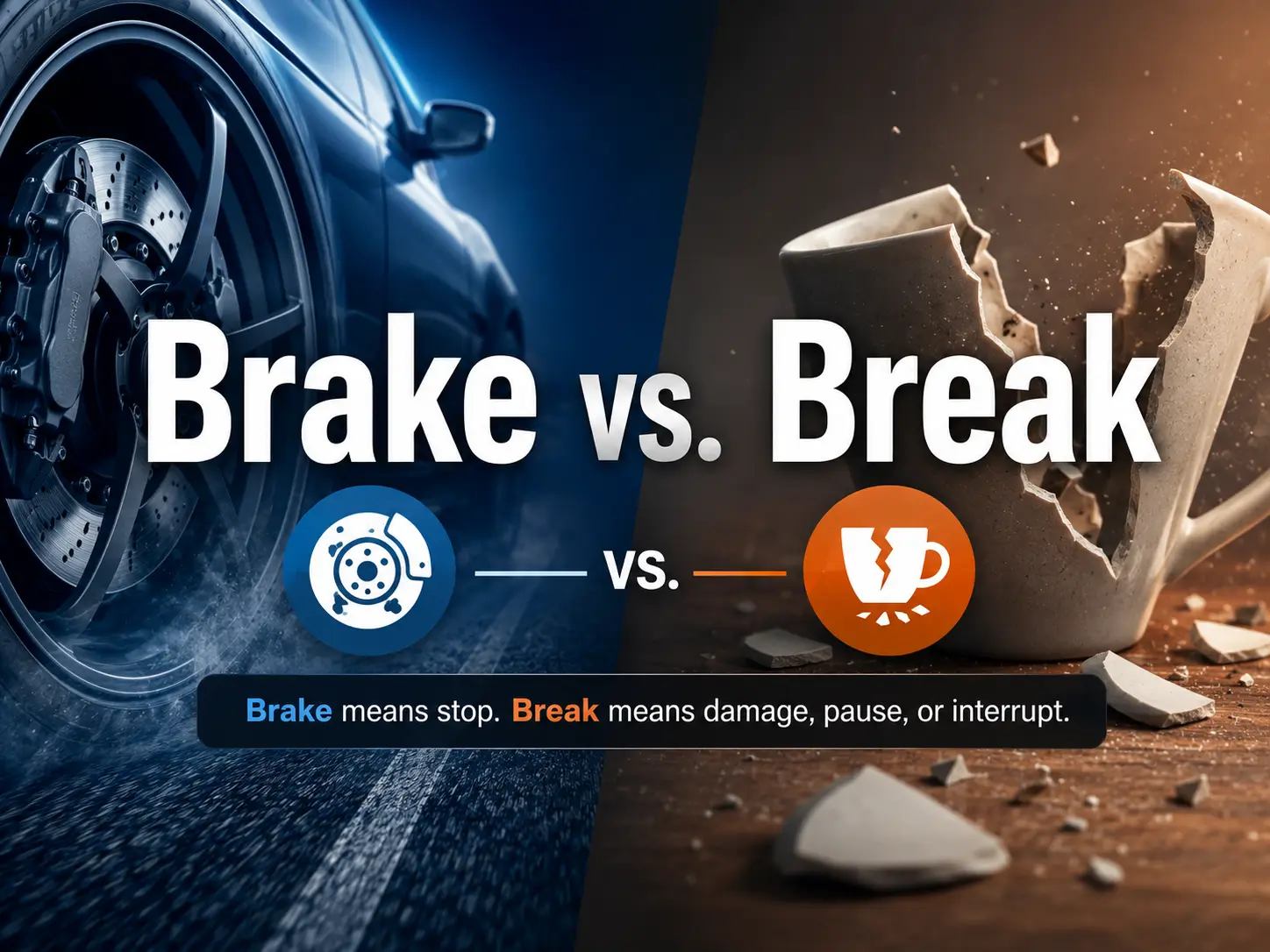
Brake vs. break difference with brake and broken object examples

If you’ve ever wondered about brake vs. break, you’re not alone. These two words are easy to confuse because they sound exactly the same, but they have different spellings and meanings. Brake is connected mainly to slowing down or stopping a vehicle or machine, while break has many meanings, including damaging something, interrupting something, separating … Read more
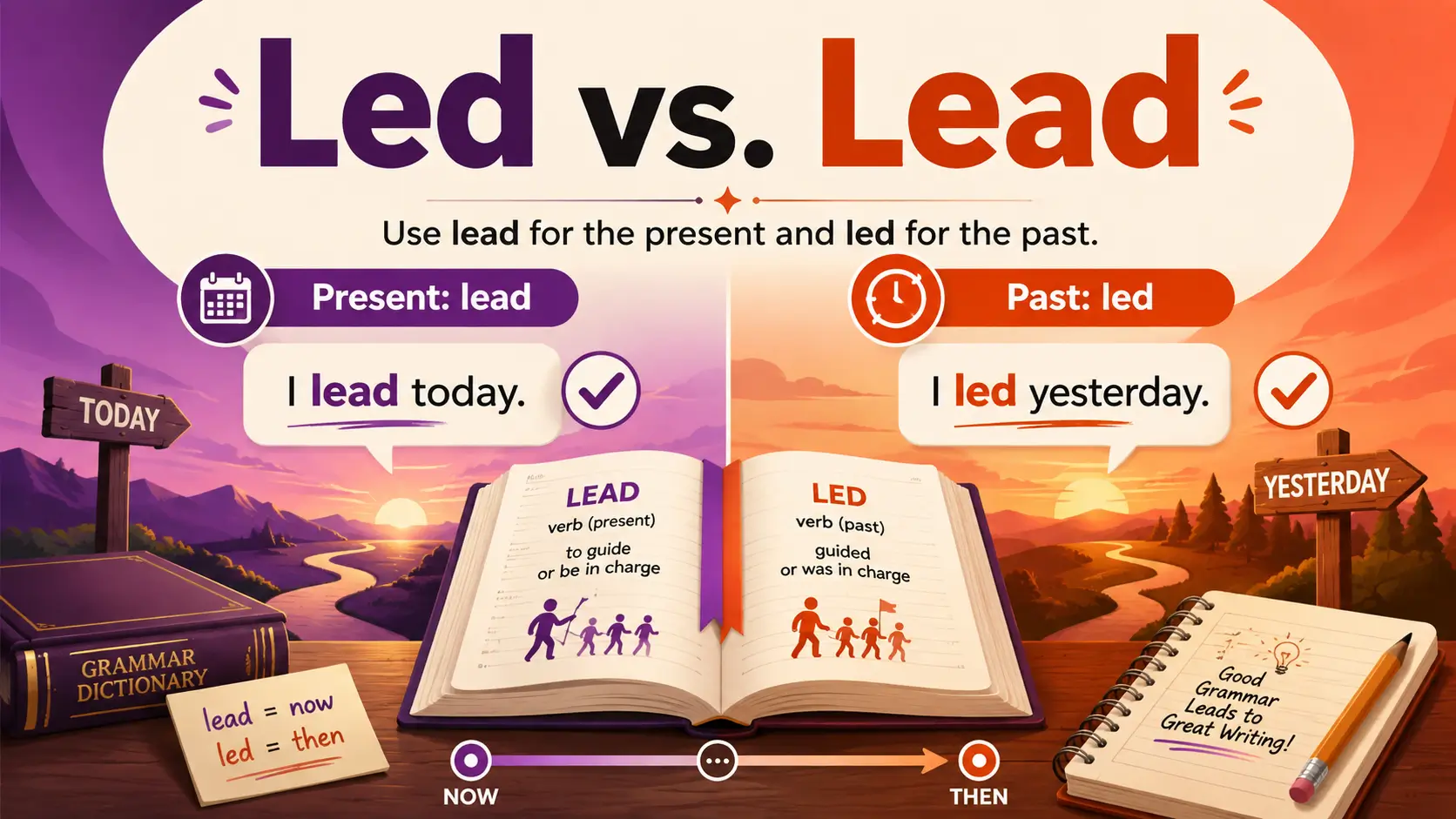

Led vs. Lead: What’s the Difference? Meaning, Pronunciation, Grammar, and Examples

Led vs. Lead difference explained with present and past tense examples

If you’ve ever wondered whether to write led vs. lead, you’re not alone. These two words are easy to confuse because lead has two different pronunciations, while led is the past tense of the verb lead. The correct choice depends on the word’s meaning, grammatical role, and tense. Quick answer: Use lead when you mean … Read more

Serpent vs Snake: What’s the Difference in Meaning and Usage?

Serpent vs snake comparison showing a real snake beside a mythical serpent in an ancient jungle temple

Serpent vs snake describes the difference between two words that can name the same reptile but often carry different tones. A snake is the standard term used in modern English, science, conversation, and wildlife writing. A serpent usually sounds more literary, symbolic, religious, or mythical. The key difference is therefore not biological. Instead, it comes … Read more

Concave vs. Convex: Meaning, Differences, Examples, and Easy Ways to Remember

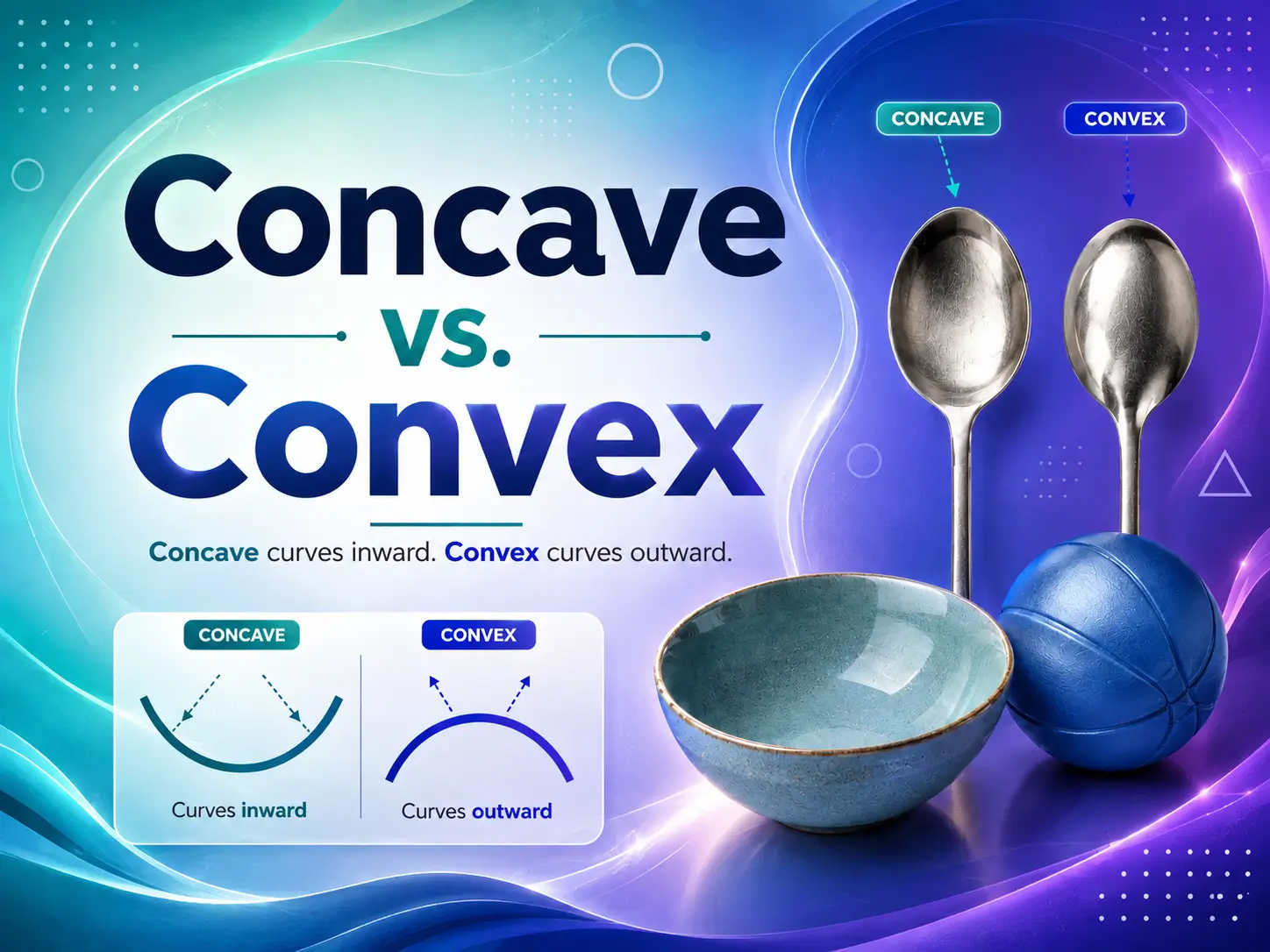
Concave vs. convex comparison showing inward and outward curves with a spoon, bowl, and ball

Concave vs. convex describes two opposite ways that a line, shape, or surface can curve. A concave surface bends inward, like the inside of a bowl. A convex surface curves outward, like the outside of a ball. These words appear in geometry, optics, engineering, medicine, product design, and everyday American English. You may use them … Read more

Perspective vs. Prospective: Meanings, Differences, and Correct Usage

Perspective vs prospective comparison showing viewpoint and future possibilities

Perspective vs prospective explains the difference between a viewpoint and something connected with the future. Perspective is usually a noun that means a way of seeing, understanding, or judging something. Prospective is usually an adjective that describes a person, event, or result that may exist or happen later. For example, from my perspective means “from … Read more

Elicit vs. Illicit: What’s the Difference?

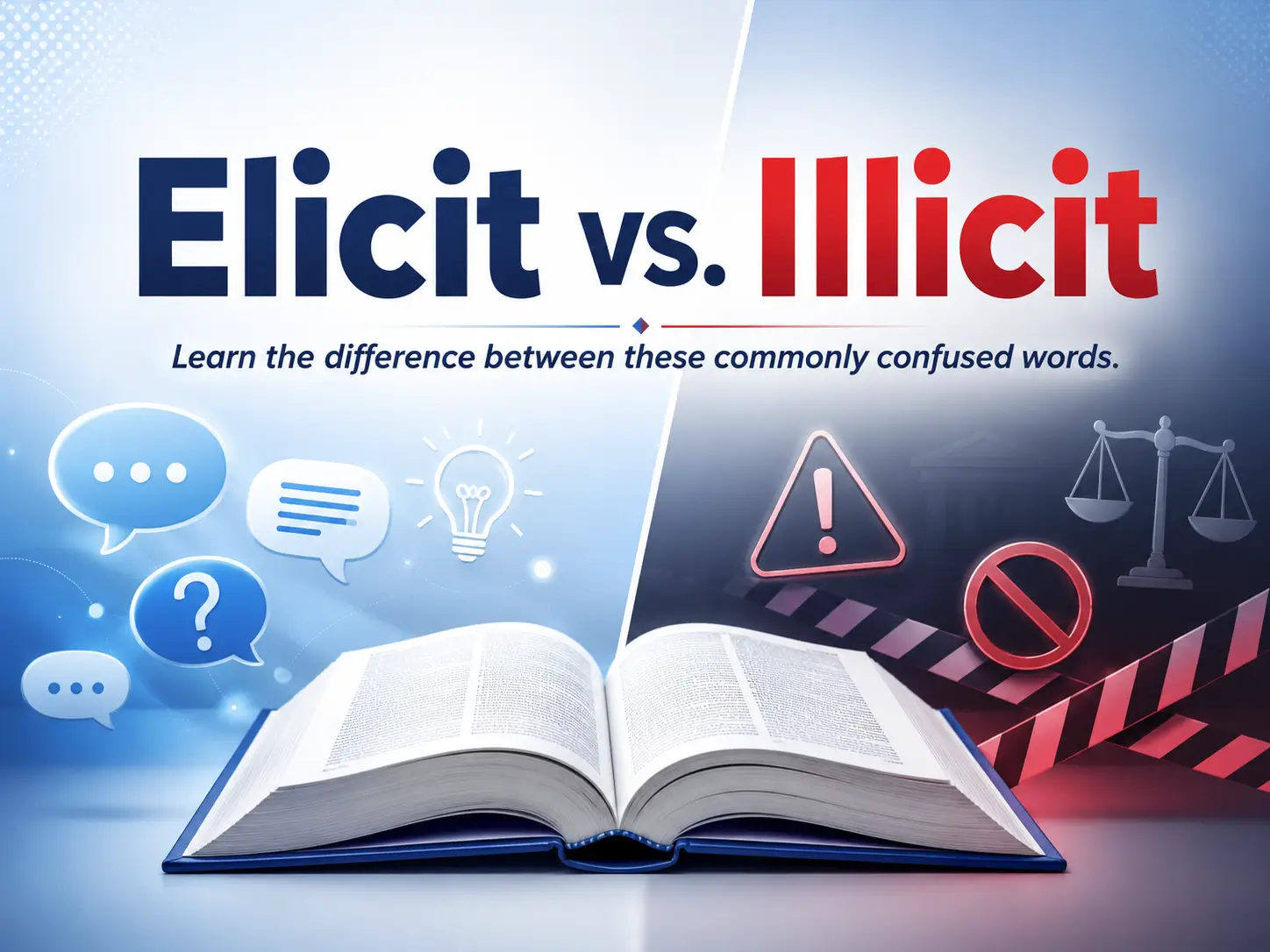
Elicit vs illicit comparison with speech bubbles, warning symbols, and an open dictionary

Elicit vs illicit is a common confusion in English grammar because these two words look and sound almost identical but have completely different meanings. Elicit means to draw out, obtain, or bring forth a response, reaction, or information, while illicit means illegal, forbidden, or not permitted. Knowing the difference between these commonly confused words helps … Read more

Neither vs Either: What’s the Difference and When Should You Use Each?

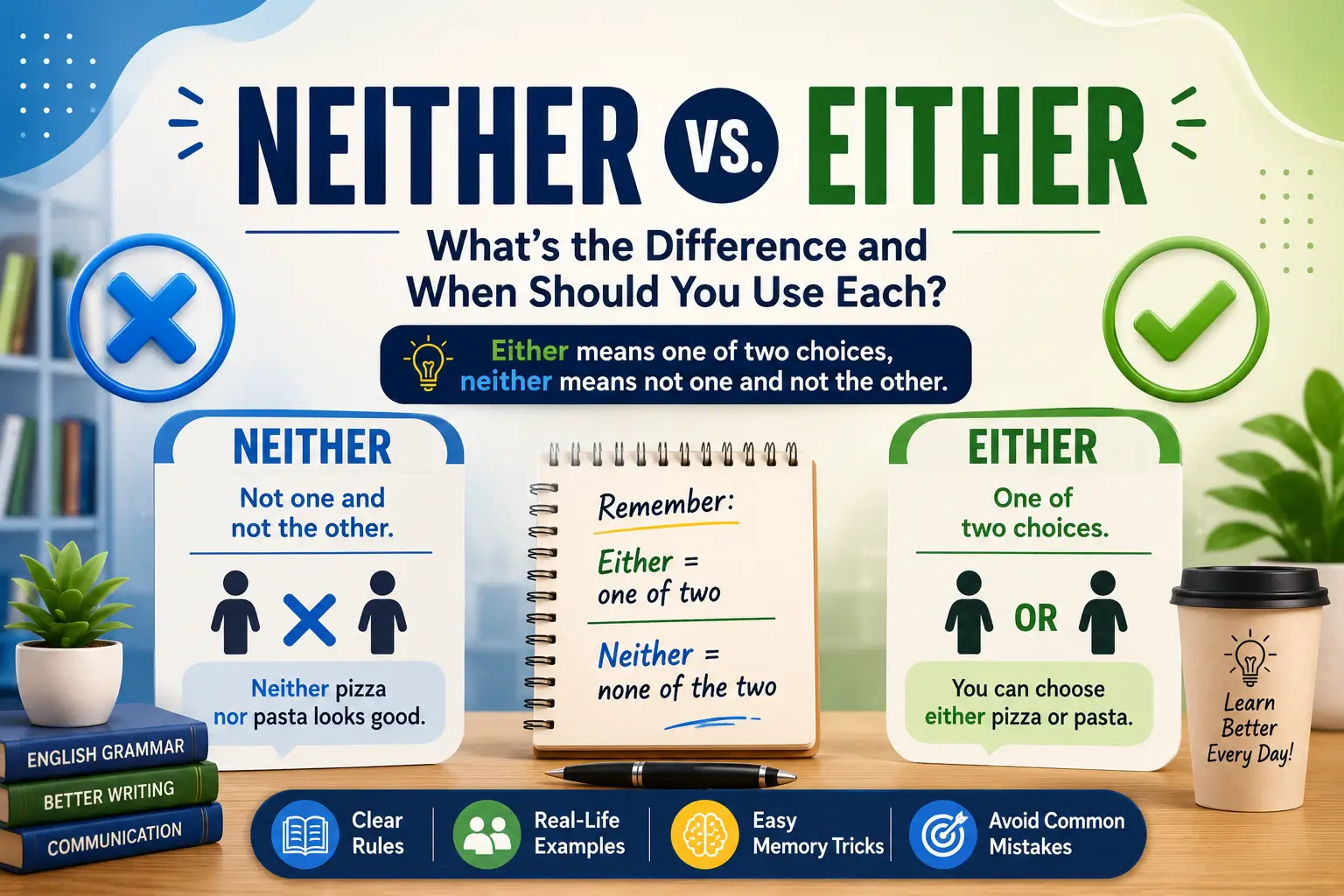
Neither vs Either grammar guide explaining the difference between neither and either with simple examples, grammar rules, and subject-verb agreement.

Neither vs either is one of the most searched English grammar topics because these two words look similar but have opposite meanings. Knowing when to use either, neither, either…or, and neither…nor will help you write more clearly, avoid common grammar mistakes, and speak confidently in everyday American English. If you’ve ever wondered which word is … Read more

Stationary vs Stationery: What’s the Difference and When Should You Use Each?

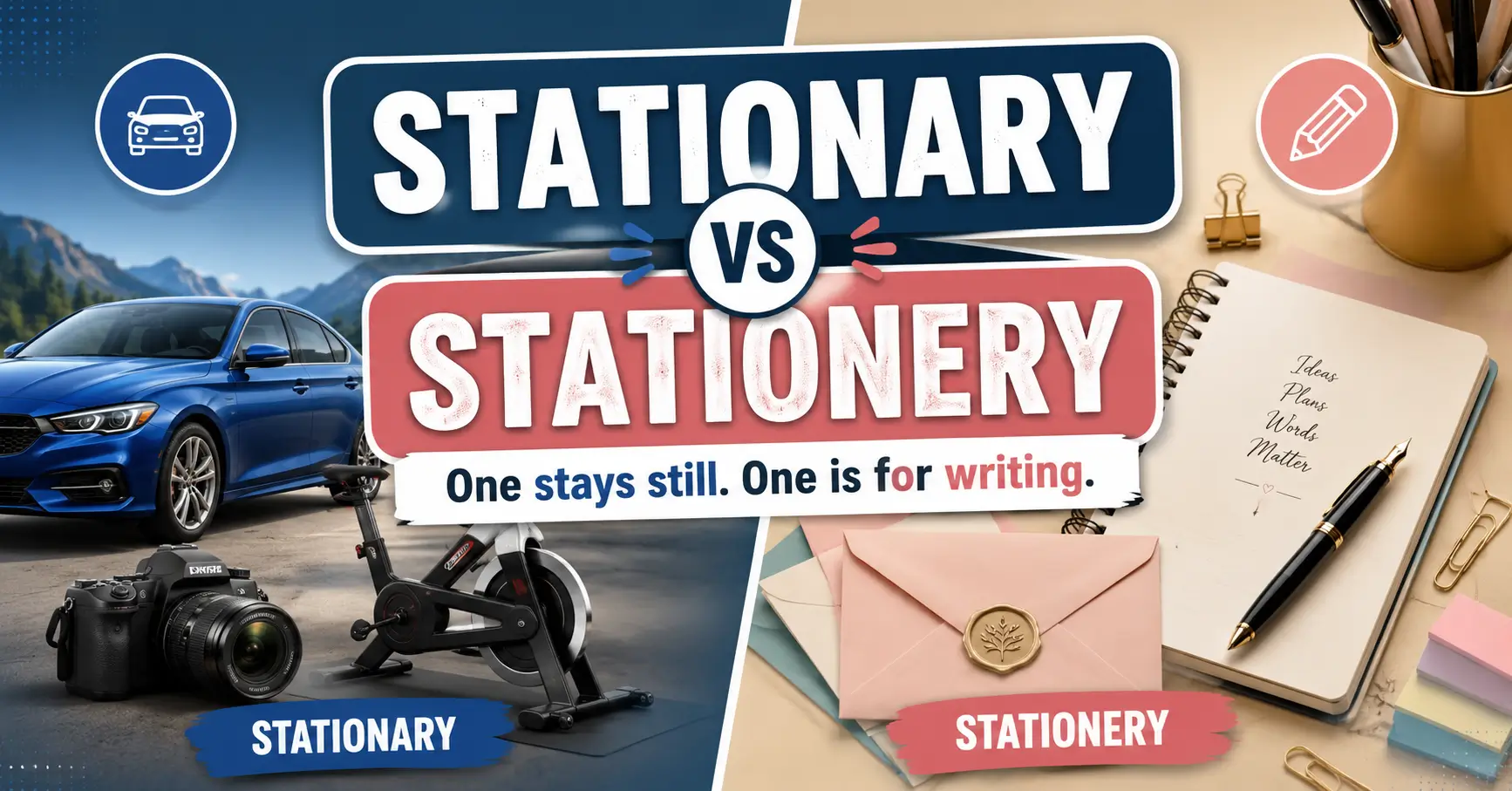
Stationary vs Stationery difference explained with a stationary car and writing stationery supplies

Stationary vs stationery is one of the most commonly confused word pairs in English grammar. Although both words sound the same, they have different meanings, spellings, and uses. Knowing the difference helps you avoid common writing mistakes in emails, school assignments, business documents, and everyday communication. If you’re unsure whether to write stationary or stationery, … Read more

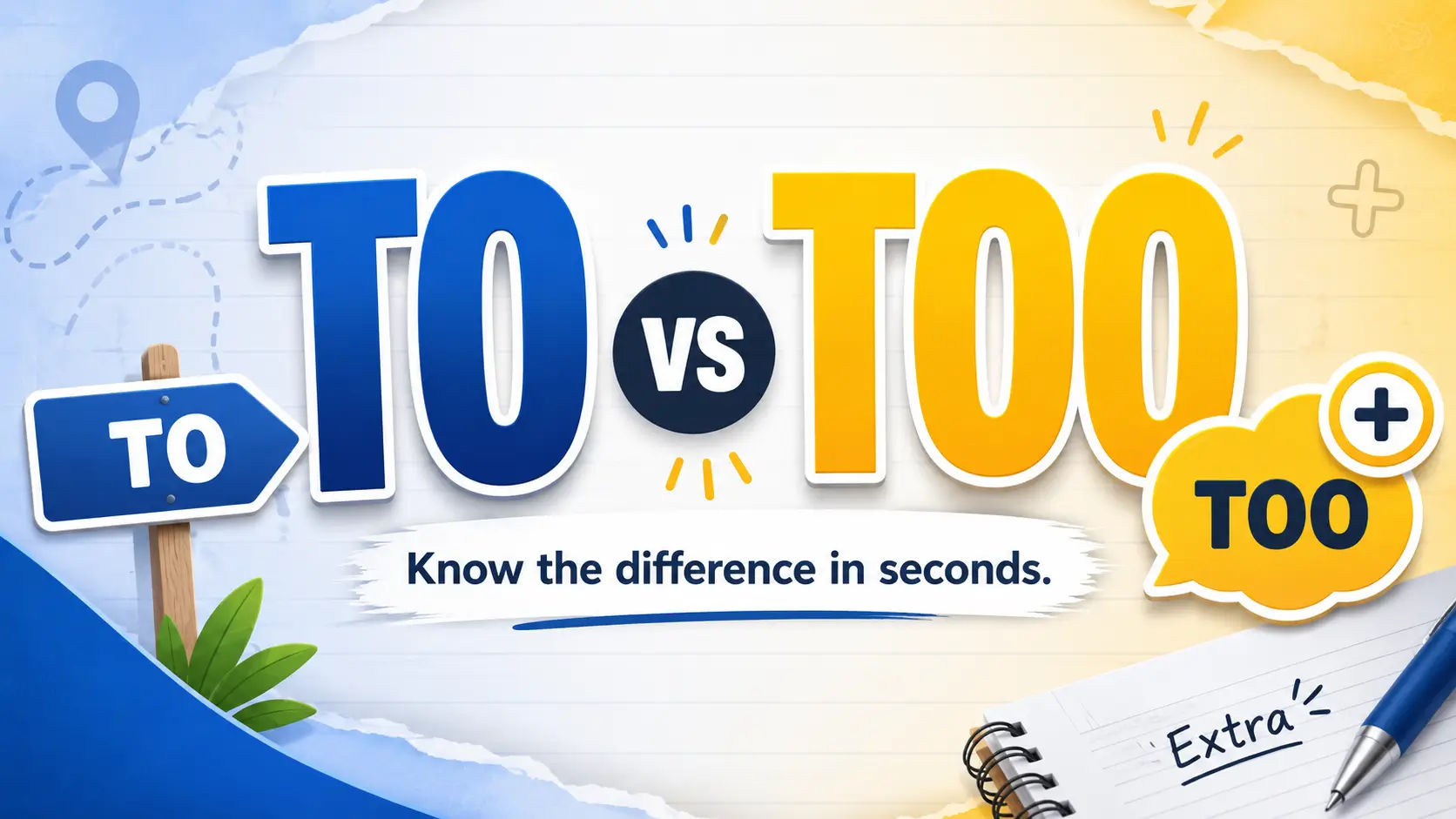
To vs. Too: What’s the Difference? (Complete Grammar Guide with Examples)

To vs Too difference explained with simple grammar rules and examples

To vs Too is one of the most searched and commonly confused topics in English grammar because these words sound the same but have different meanings and uses. If you’ve ever wondered whether to write to, too, or even two, you’re not alone. The good news is that the difference is simple once you understand … Read more

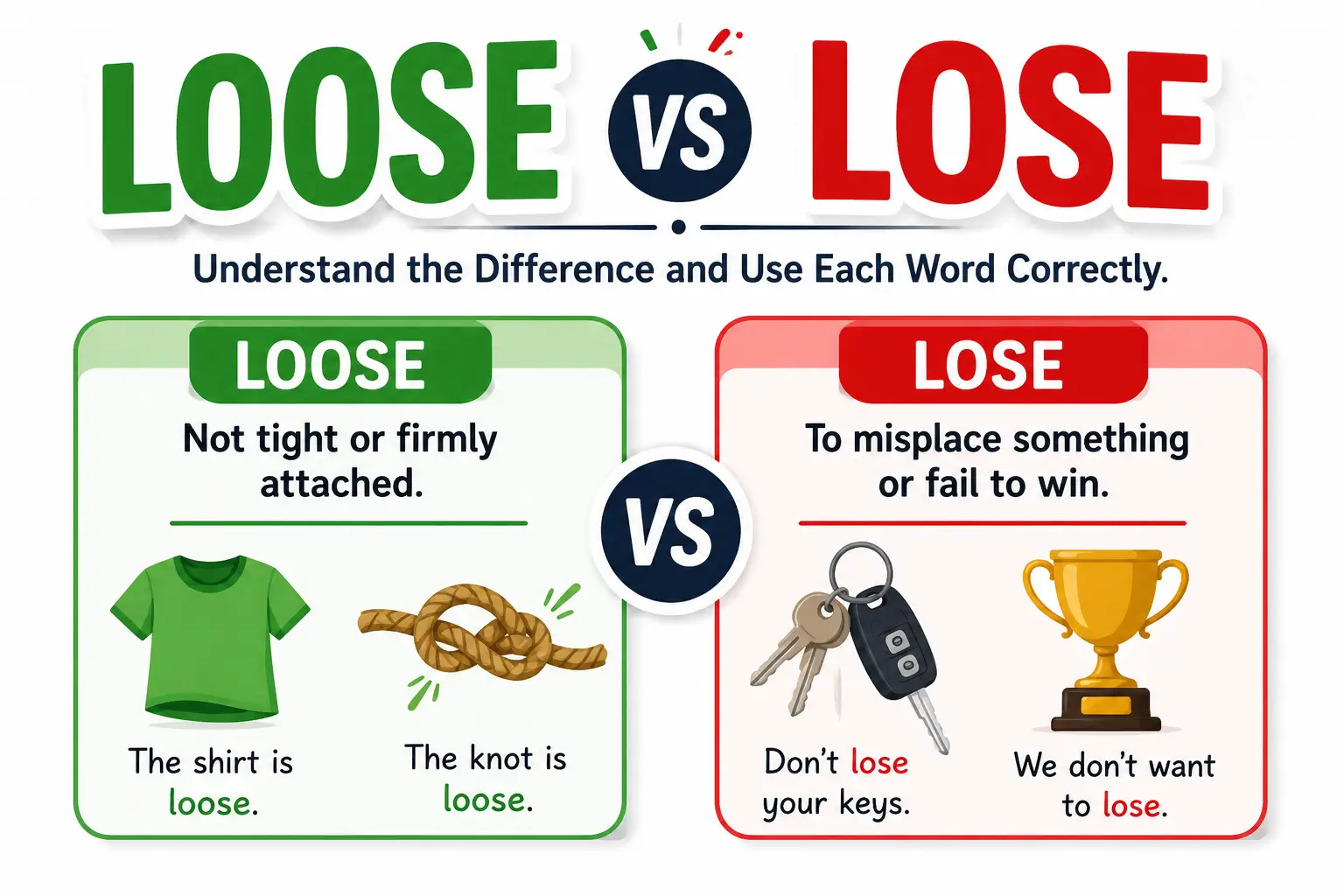
Loose vs. Lose: What’s the Difference and How Do You Use Them Correctly?

Loose vs lose difference with meanings and simple examples

Loose vs lose is one of the most searched grammar questions because these two words look almost identical but have completely different meanings. If you’ve ever wondered whether to write “lose your keys” or “loose your keys,” you’re not alone. The simple answer is this: lose is a verb that means to misplace something or … Read more