Featured
August 26, 2026
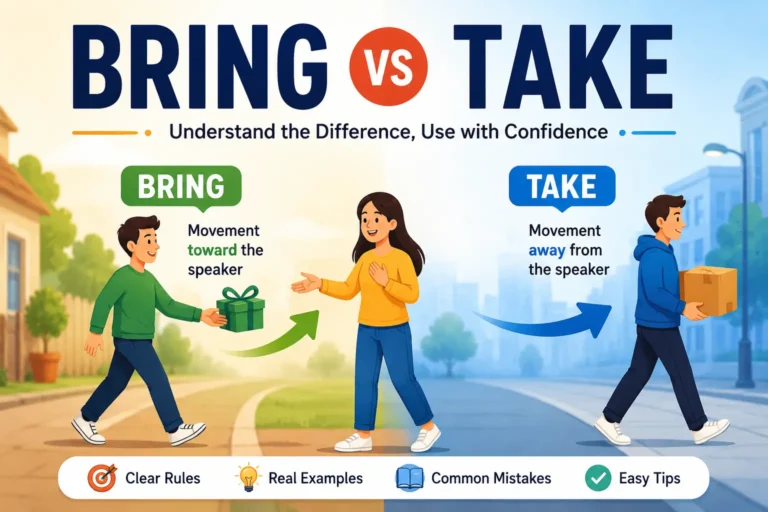
Bring vs take can be confusing because both verbs describe moving a person or thing from one place to another.
Read story
Bring vs take can be confusing because both verbs describe moving a person or thing from one place to another.
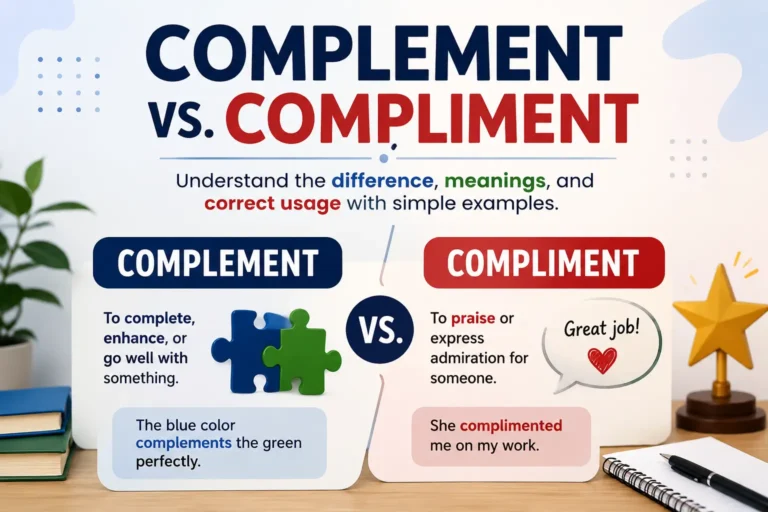
Read storyComplement vs compliment can be confusing because these two words sound alike but have different meanings. Complement means to complete,
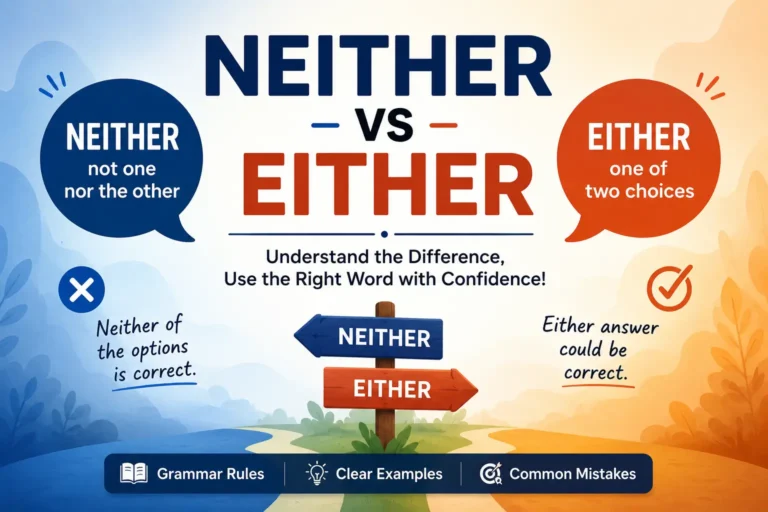
Read ArticleNeither vs Either is a common English grammar question because both words are used when talking about two choices, but
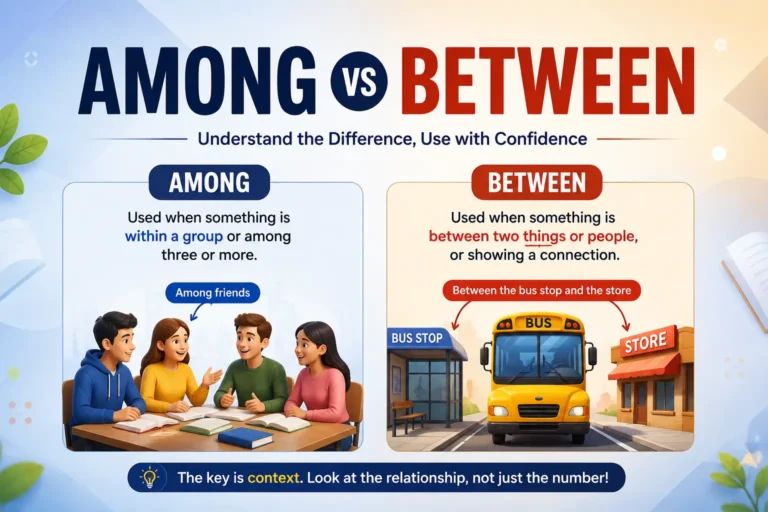
Read ArticleAmong vs. between can be confusing because both words describe relationships involving people, things, places, and ideas. The key is
Read ArticleAdapt vs Adopt is a common English comparison that can confuse learners because both verbs look and sound similar. The
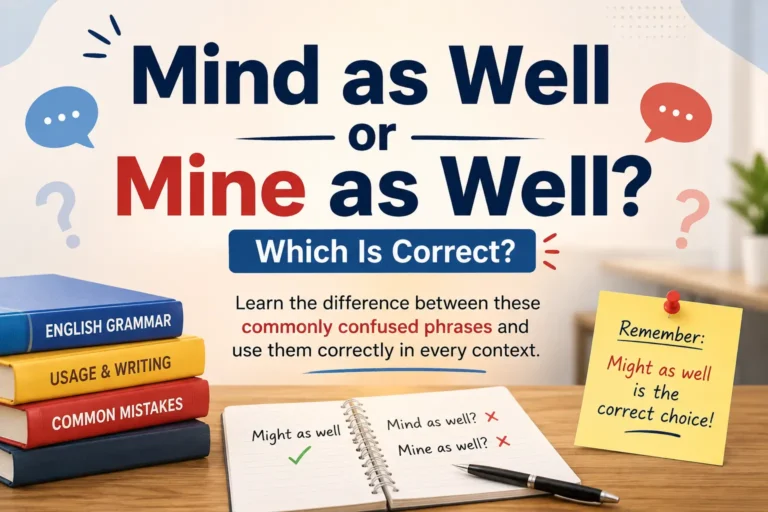
Read ArticleMind as well or mine as well are common spellings people use when they hear the phrase “might as well”
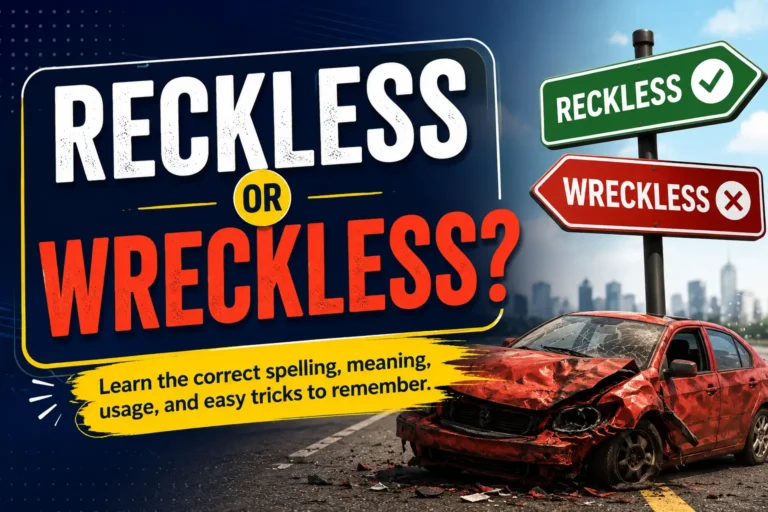
Read ArticleReckless or wreckless is a common spelling question, but the answer is simple: reckless is the correct spelling in standard
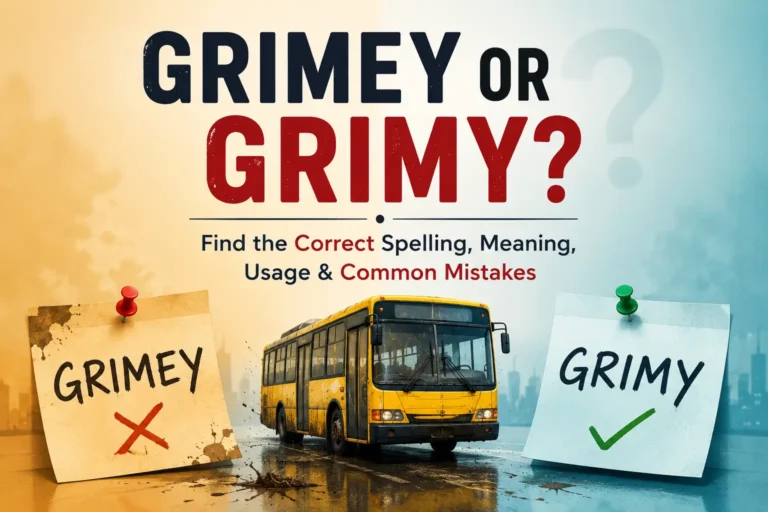
Read ArticleGrimey or grimy is a common spelling question, but the answer is simple: grimy is the standard spelling. It describes
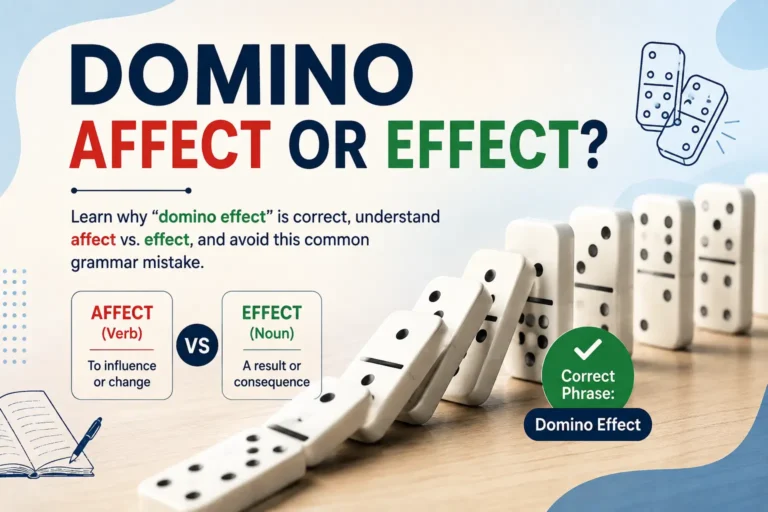
Read ArticleDomino affect or effect is a common grammar question, but the correct phrase is domino effect. Effect is a noun
Read ArticleCaddie or caddy is a common spelling question, especially when you’re writing about golf. The good news is that both
Read Article