May vs. Might: What’s the Difference and When Should You Use Each?
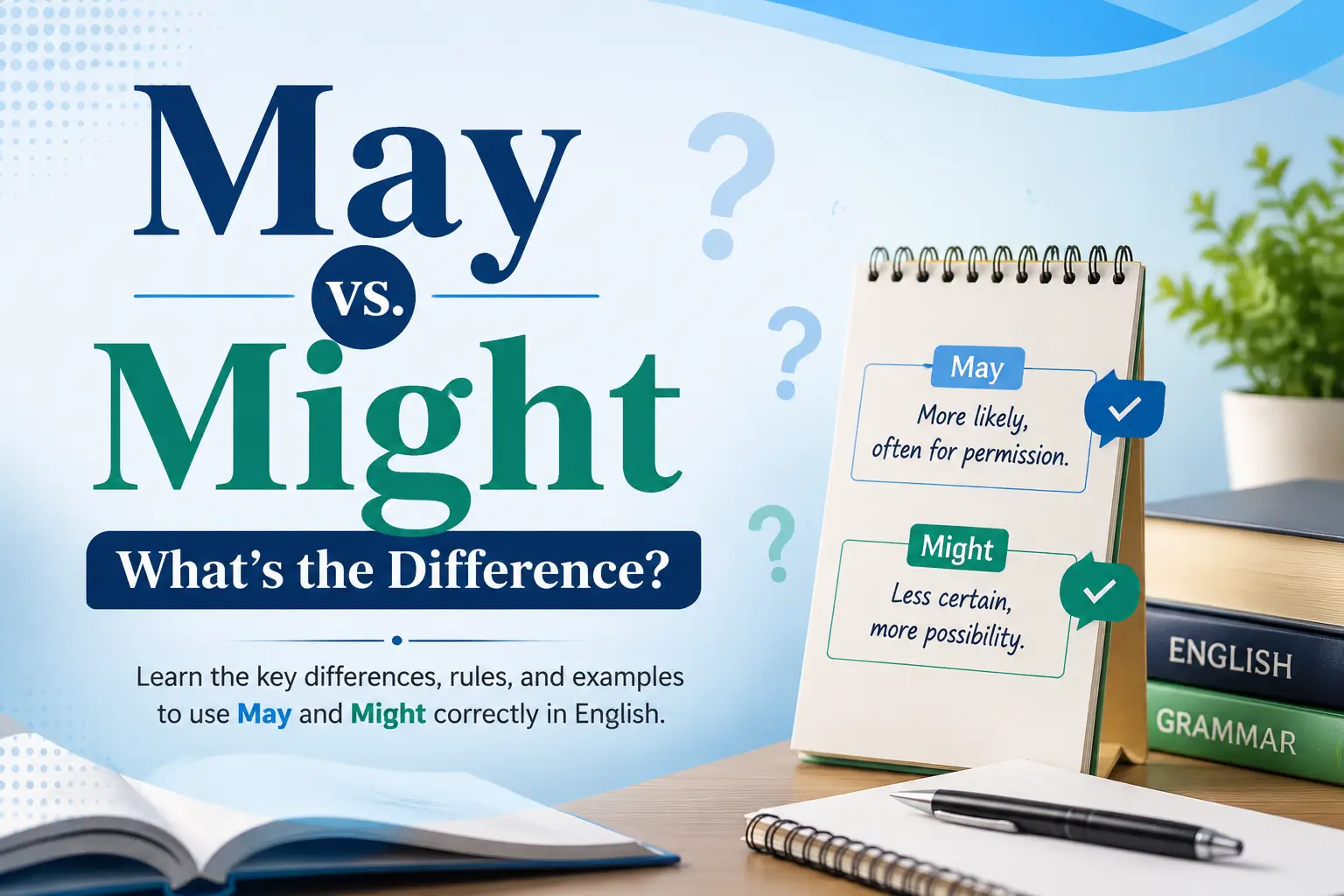
May vs Might difference explained with English grammar rules, examples, and usage guide

May vs. might is one of the most common grammar questions in English grammar, especially for students, writers, and English learners. Although these modal verbs often express possibility, they don’t always mean exactly the same thing. Understanding the difference helps you choose the right word when speaking, writing, sending emails, or having everyday conversations. By … Read more

Your vs. You’re: What’s the Difference and How to Use Them Correctly?

Your vs You’re difference explained with ownership examples and you are contraction examples

Your vs. you’re is one of the most searched English grammar questions because these two words sound alike but have different meanings and uses. If you’ve ever wondered whether to write your or you’re, you’re not alone. Understanding this difference helps you write more clearly in emails, text messages, social media posts, school assignments, and … Read more

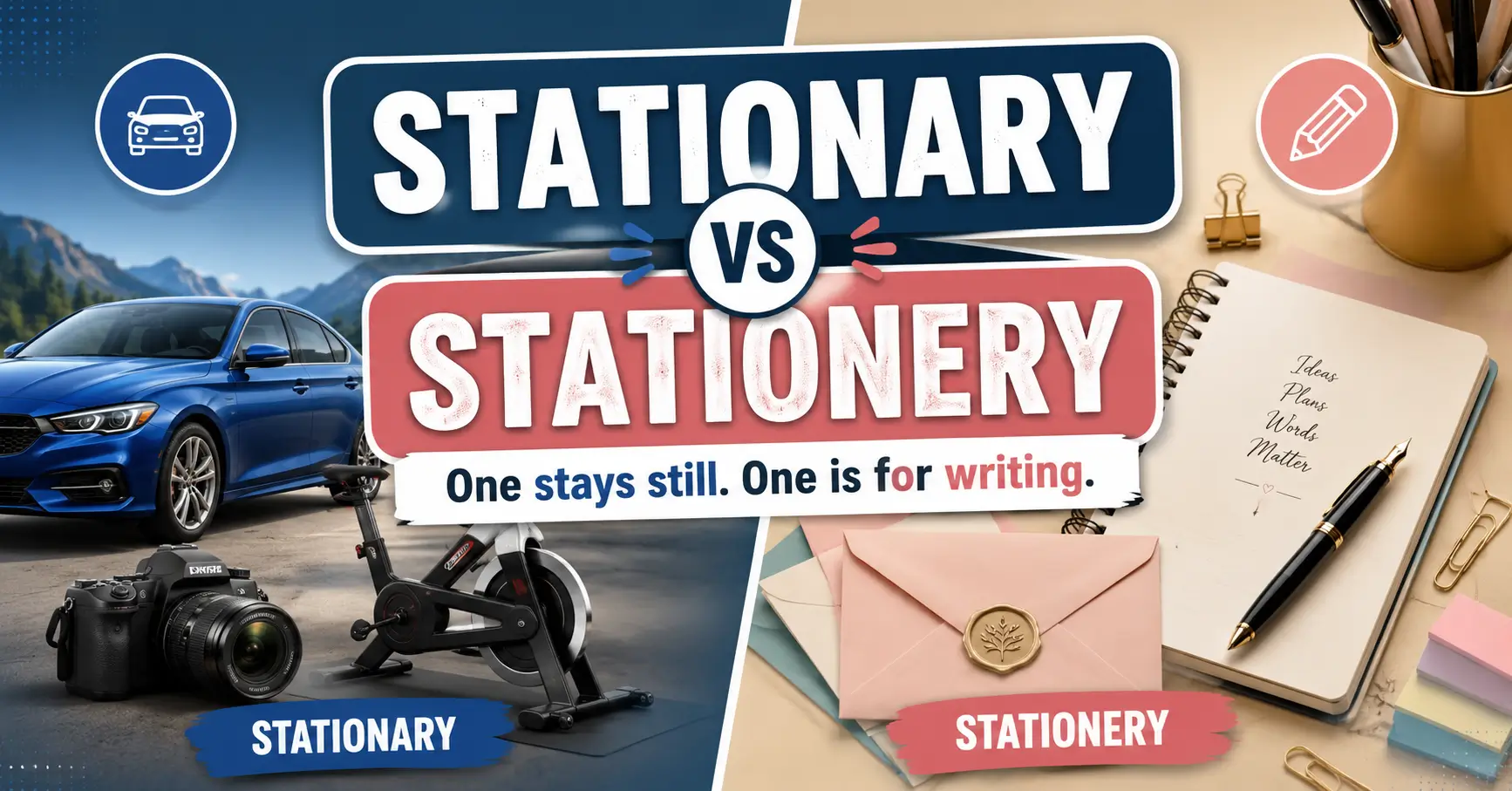
Stationary vs Stationery: What’s the Difference and When Should You Use Each?

Stationary vs Stationery difference explained with a stationary car and writing stationery supplies

Stationary vs stationery is one of the most commonly confused word pairs in English grammar. Although both words sound the same, they have different meanings, spellings, and uses. Knowing the difference helps you avoid common writing mistakes in emails, school assignments, business documents, and everyday communication. If you’re unsure whether to write stationary or stationery, … Read more

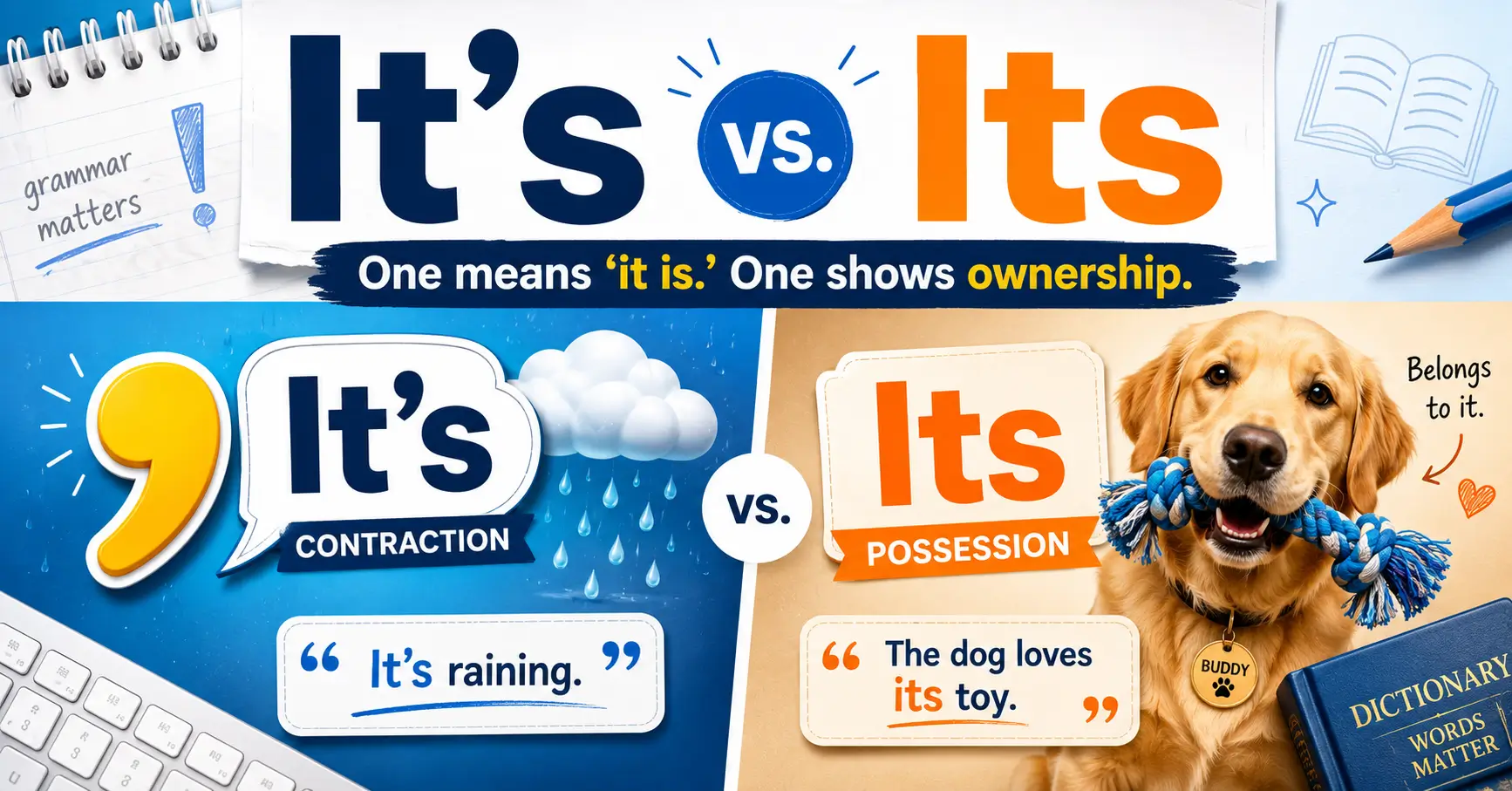
It’s vs. Its: Difference, Rules, Examples, and Easy Ways to Use Them Correctly

It’s vs Its difference explained with contraction, possession, and easy grammar examples

It’s vs its is a common English grammar confusion that affects many students, writers, and professionals. The purpose of understanding it’s vs its is to learn when to use it’s as a contraction of it is or it has, and when to use its as a possessive word that shows ownership. The easiest way to … Read more

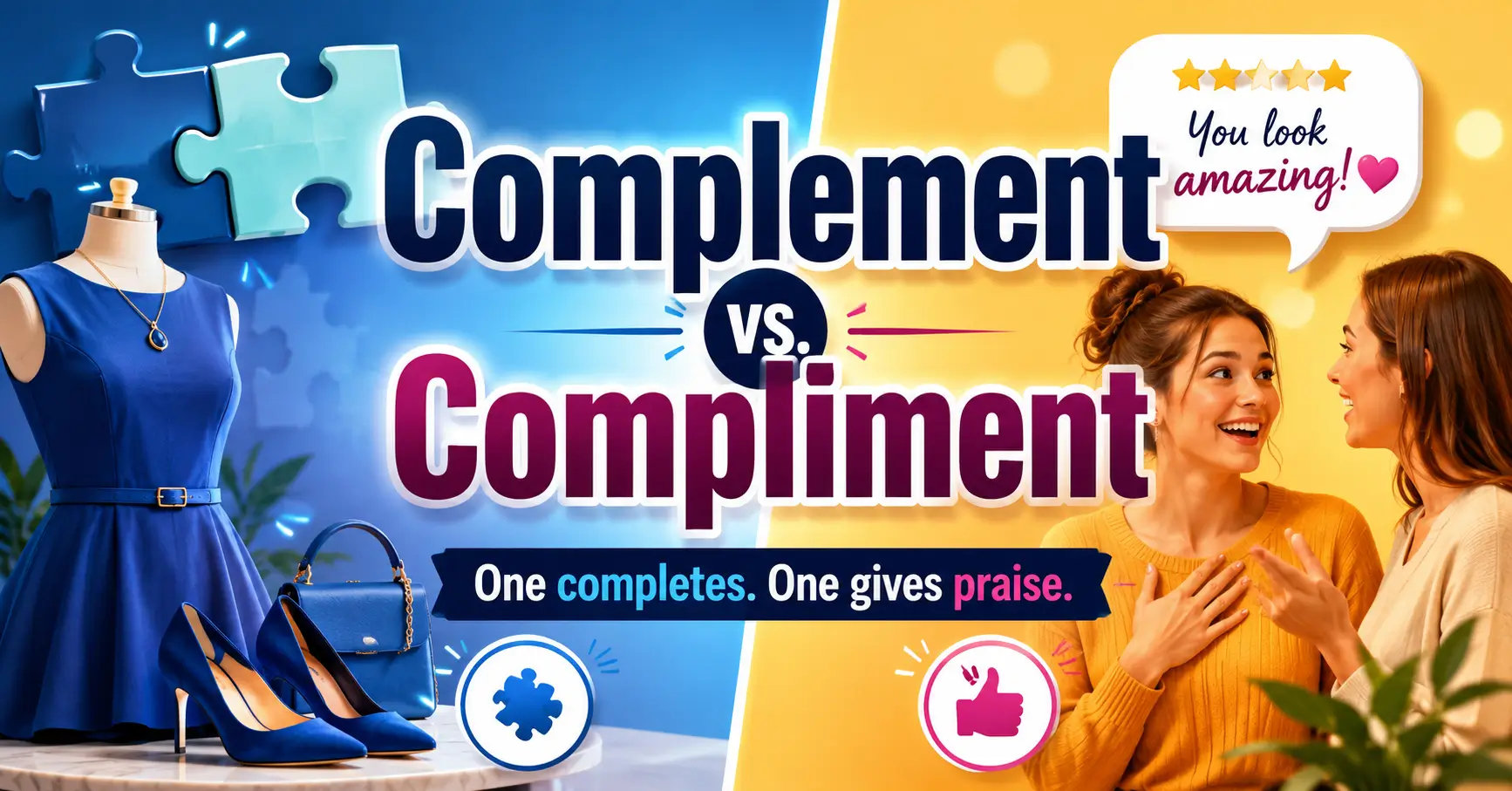
Complement vs. Compliment: What’s the Difference? Meaning, Examples, and Easy Ways to Remember

Complement vs Compliment difference explained with examples of completing something versus giving praise

Complement vs compliment is a common grammar confusion that happens because these two English words have similar pronunciation but completely different meanings. The easiest way to remember the difference is this: complement means something that completes, matches, or improves another thing, while compliment means praise, admiration, or a positive remark. Knowing the difference between these … Read more

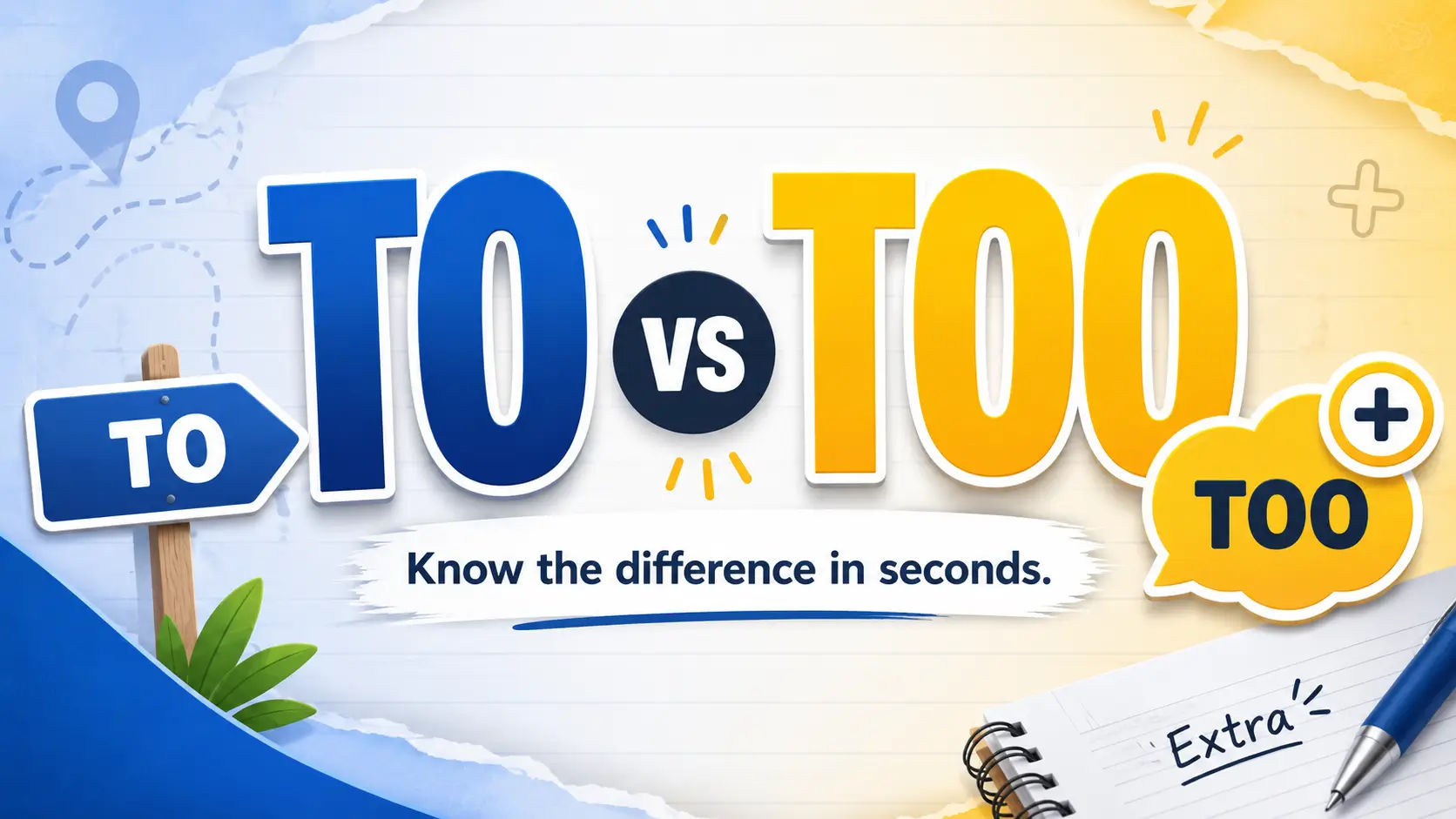
To vs. Too: What’s the Difference? (Complete Grammar Guide with Examples)

To vs Too difference explained with simple grammar rules and examples

To vs Too is one of the most searched and commonly confused topics in English grammar because these words sound the same but have different meanings and uses. If you’ve ever wondered whether to write to, too, or even two, you’re not alone. The good news is that the difference is simple once you understand … Read more

FoxTPAX Software: Complete Guide to Features, Uses, Benefits, and Business Applications (2026)

FoxTPAX Software dashboard showing workflow automation, CRM, tasks, reports, and business management tools

In a modern business environment, many companies struggle with disconnected systems, repeated tasks, and too many multiple tools. FoxTPAX Software works as a business management software platform that helps organizations streamline workflows through workflow automation and automation. Instead of using five different apps to track a project, send an invoice, or chat with team members, … Read more

Farther vs Further: What’s the Difference and When Should You Use Each?

Farther vs Further difference with physical distance and additional meaning examples

Farther vs Further is one of the most common grammar questions in American English because both words look alike and have similar meanings. The quick answer is simple: farther usually refers to physical distance, while further is used for figurative distance, additional information, progress, or advancement. Knowing this difference helps you choose the right word … Read more