Featured
July 30, 2026
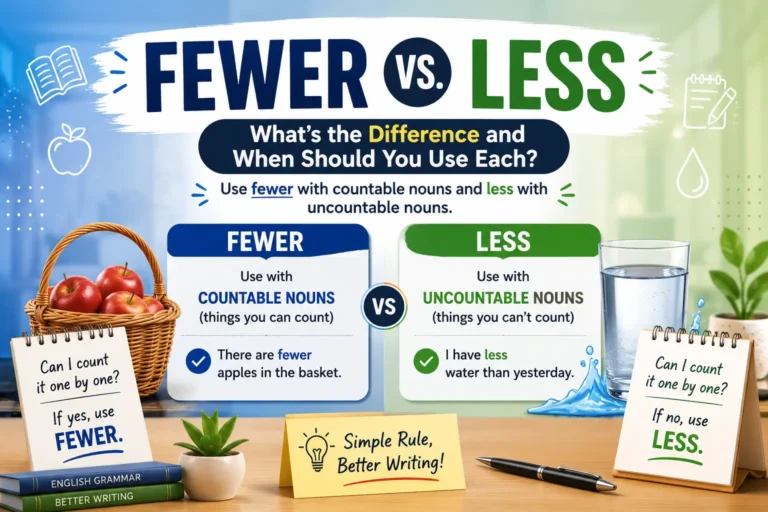
Fewer vs. less is one of the most common grammar questions in American English, and understanding the difference can instantly
Read story
Fewer vs. less is one of the most common grammar questions in American English, and understanding the difference can instantly
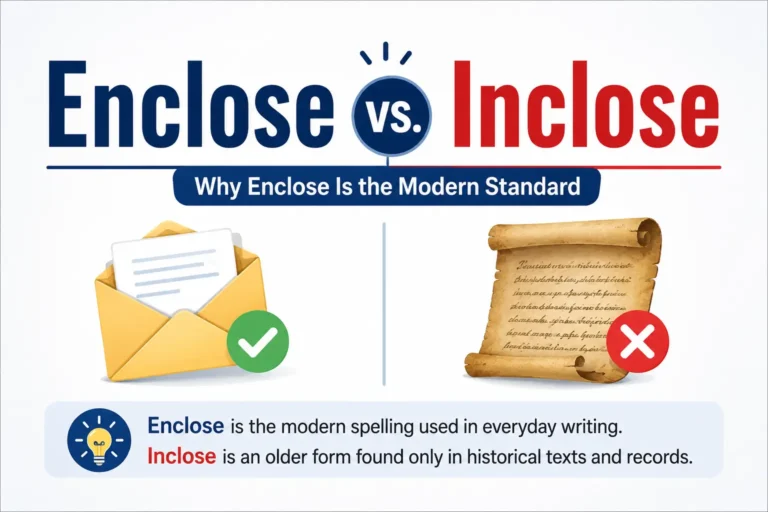
Read storyThe enclose vs. inclose choice is simple: enclose is the modern spelling, while inclose survives mainly in older historical records
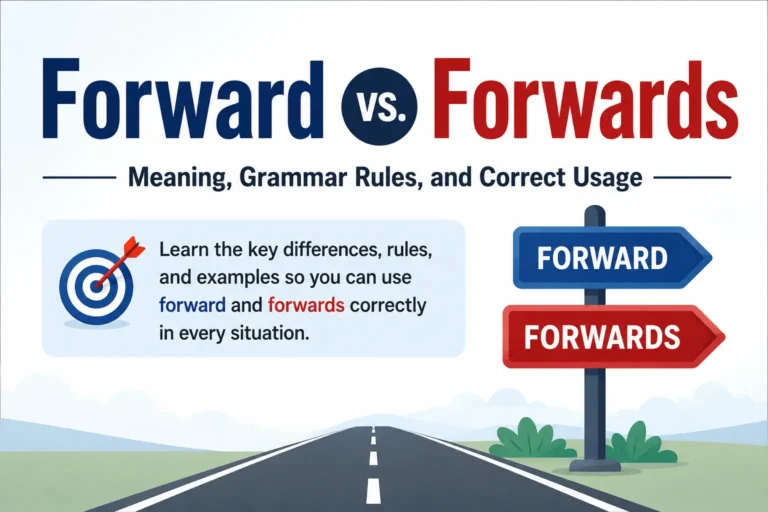
Read ArticleThe difference between forward vs. forwards can seem confusing because both words may describe movement toward the front. However, they
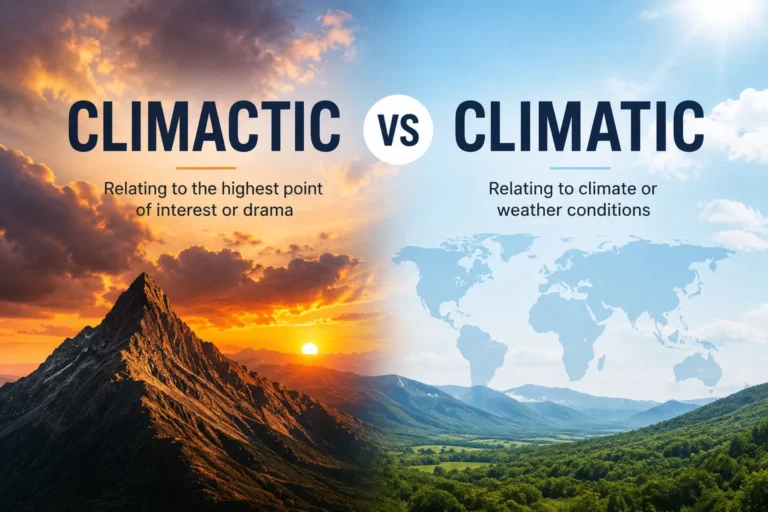
Read ArticleThe key difference in climactic vs climatic is simple: climactic refers to a climax, while climatic clearly describes climate and
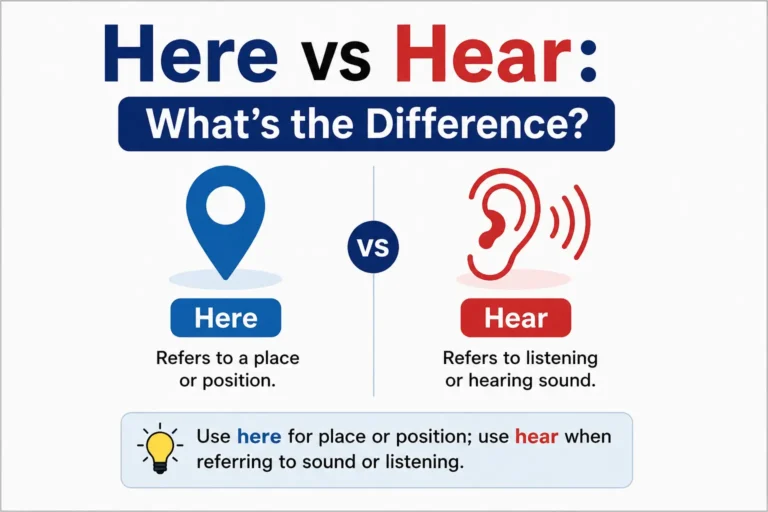
Read ArticleHere and Hear are common homophones with the same pronunciation, but their spelling, meaning, and sentence role are completely different.
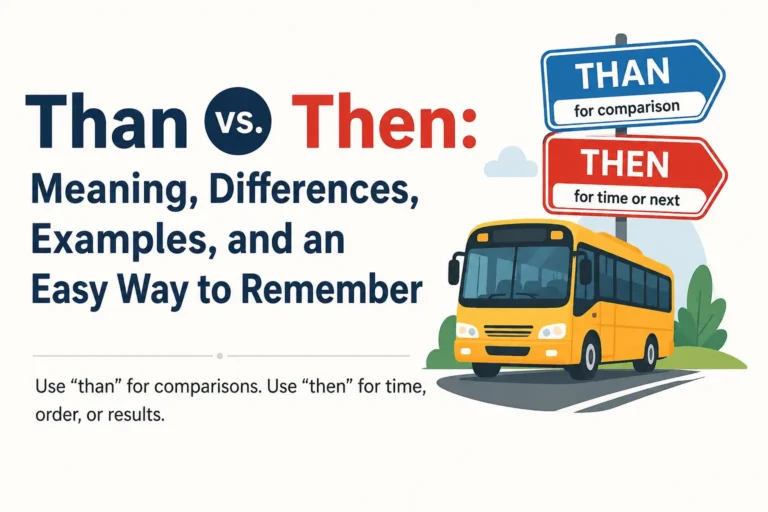
Read ArticleThan vs then is a common grammar problem, but the difference is simple. Use than when making a comparison, and
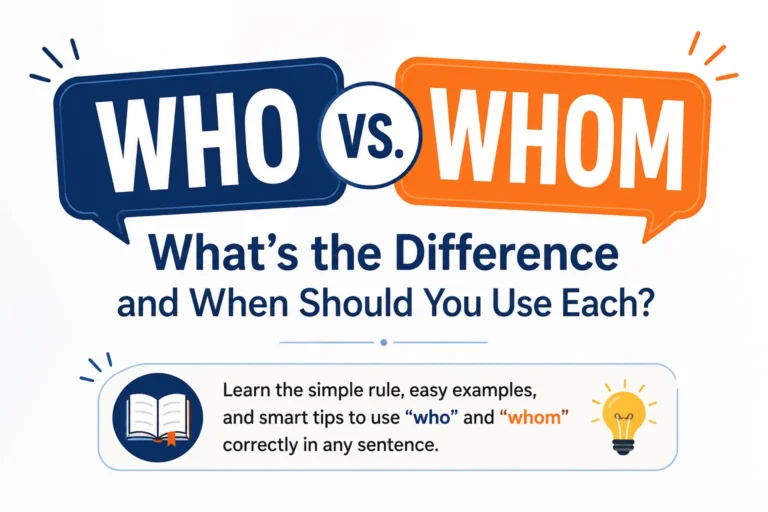
Read ArticleWho vs. whom is one of the most confusing topics in English grammar, but it doesn’t have to be difficult.
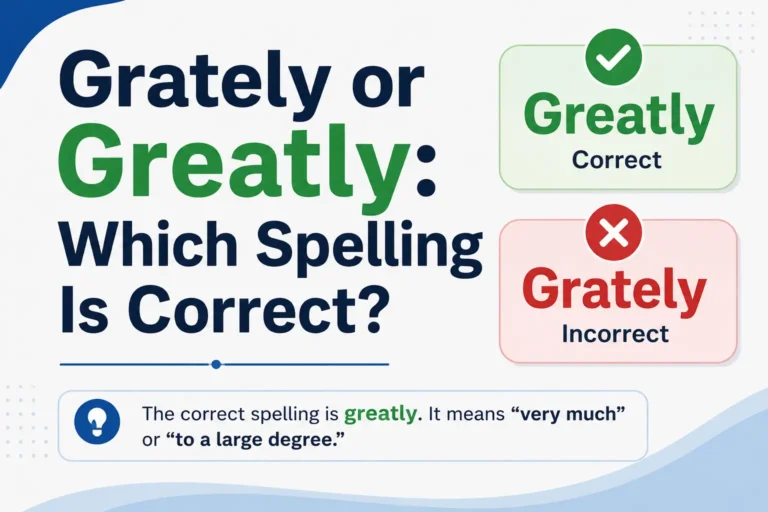
Read ArticleGrately or Greatly is a common spelling question, but only greatly is correct in standard English. The word grately is
Read Article