Signalling or Signaling: Which Spelling Is Correct in American and British English?

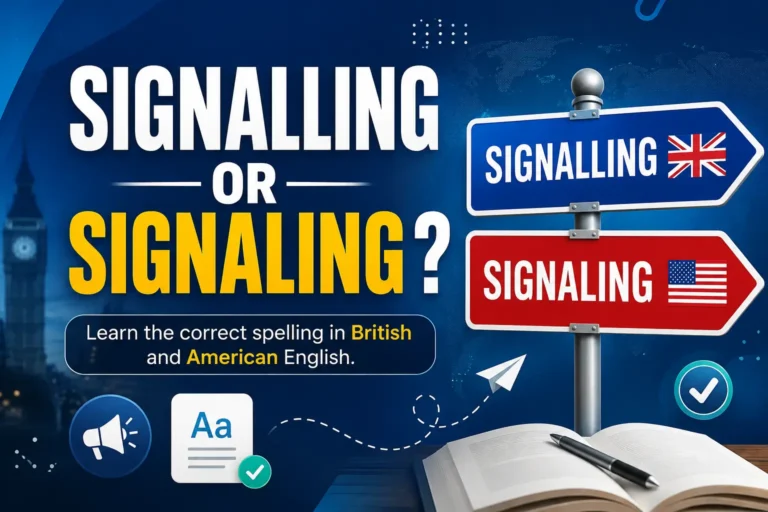
Signalling or signaling spelling difference in British and American English

Signalling or signaling is a spelling difference between British and American English. Signalling is the standard British English form, while signaling is the standard American English form. Both words have the same meaning, pronunciation, and grammatical function. If you’re writing for a US audience, choose signaling. For a UK audience, use signalling. The difference is … Read more

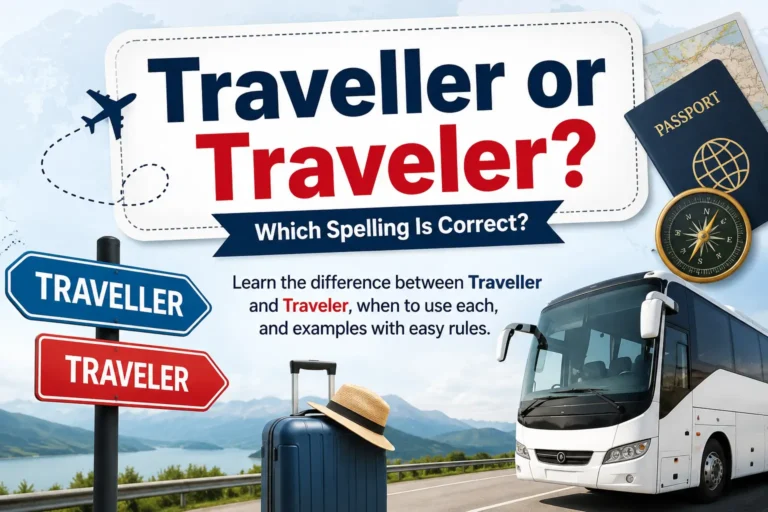
Traveler or Traveller: Which Spelling Is Correct in American English?

Traveller or traveler spelling difference in American and British English

Traveler or traveller is a common English spelling question, but the answer is simple: traveler is the standard American English spelling, while traveller is the standard British English form. Both words have the same meaning, so the real issue is regional spelling, not grammar or vocabulary. The difference comes down to one letter. American English … Read more

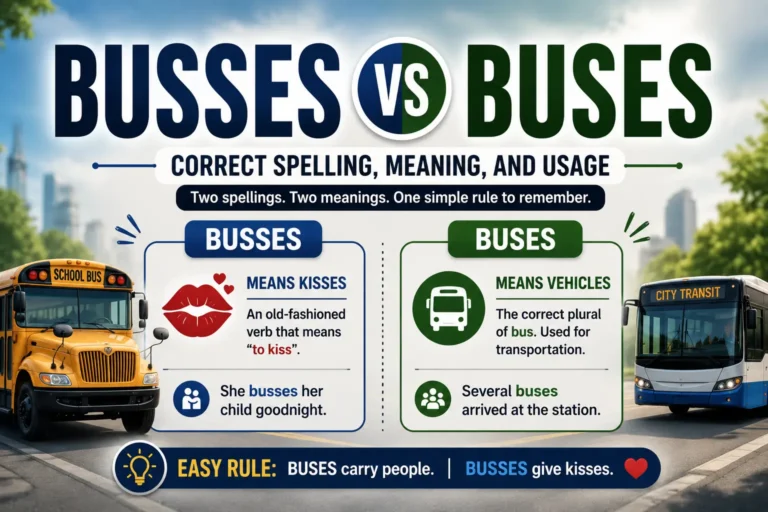
Busses vs Buses: Correct Spelling, Meaning, and Usage

Busses vs buses correct spelling and meaning explained with examples

The busses vs buses difference is simple: buses is the correct plural of bus, while busses usually means kisses in older usage. In standard English and modern English, English speakers use the standard plural form buses for multiple vehicles that transport people. Common usage contexts include public transport, private transport, public transit, school transportation, and … Read more

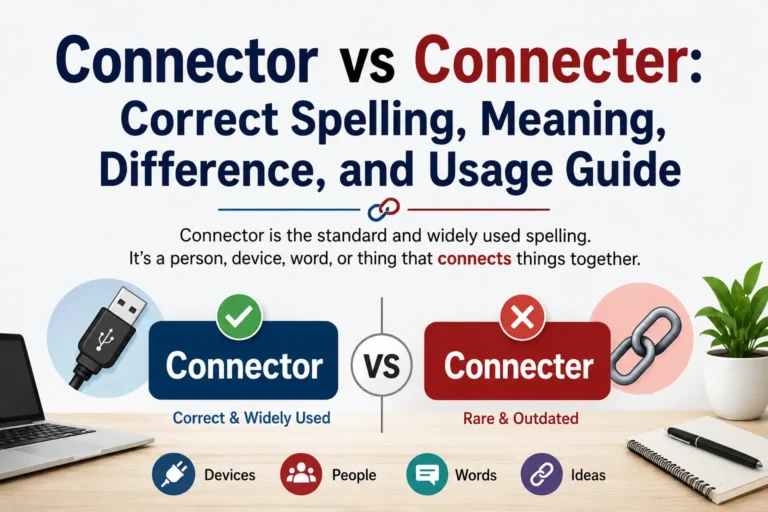
Connecter vs Connector: Correct Spelling, Meaning, Difference, and Usage Guide

Connector vs Connecter: correct spelling and difference in English

The main difference between connecter vs connector is that connector is the standard and widely accepted spelling in modern English, while connecter is a rare and outdated alternative. Both words come from the verb connect, but connector is the form most people use in professional writing, technical communication, and everyday language. A connector can be … Read more

Invision vs Envision: Which Word Is Correct? Meaning, Differences, and Usage Guide

Invision vs Envision comparison showing the correct spelling, meaning, and English usage with envision marked as correct.

When people compare invision vs envision, the confusion usually comes from the similar spelling, sound, and connection to the word vision. The correct English word is envision, which means to imagine, picture, or create a mental image of a future possibility. Many writers, editors, and students accidentally use invision because it looks logical, but standard … Read more

Seal vs Seel: Difference, Meaning, and Correct Usage in English

Seal vs Seel difference showing correct meanings, spelling, usage, official seal, package, and historical falconry example.

The main seal vs seel difference comes from their meaning, usage, and context. Both words have the same pronunciation in most English accents, which creates confusion for many English learners, students, and professionals. However, seal is a common modern word used in writing, business, and everyday communication, while seel is an old, rarely used historical … Read more

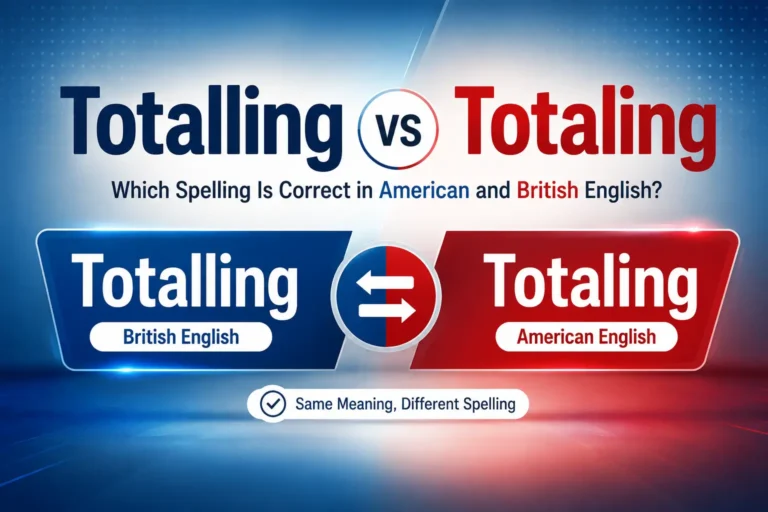
Totalling vs Totaling: Which Spelling Is Correct in American and British English?

Totalling vs totaling difference in British and American English

When writing about totalling vs totaling, many English writers face spelling confusion because English spelling rules change between regions. Both forms are correct spelling choices, but American English usually uses totaling with one L, while British English prefers totalling with two Ls. The meaning stays the same: both describe adding numbers to find a complete … Read more

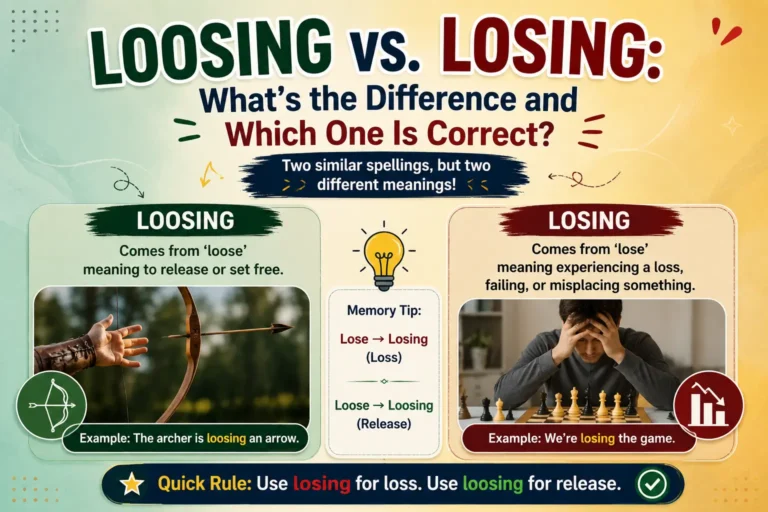
Loosing vs. Losing: What’s the Difference and Which One Is Correct?

Loosing vs. Losing explained with meanings, differences, examples, and simple grammar rules to help you choose the correct spelling.

Confused about loosing vs losing? The difference becomes clear when you look at their base words and meanings. Losing comes from lose and means failing to win, misplacing something, or no longer having it. For example, you might be losing a game, losing your keys, or losing confidence. Loosing, however, comes from the verb loose … Read more

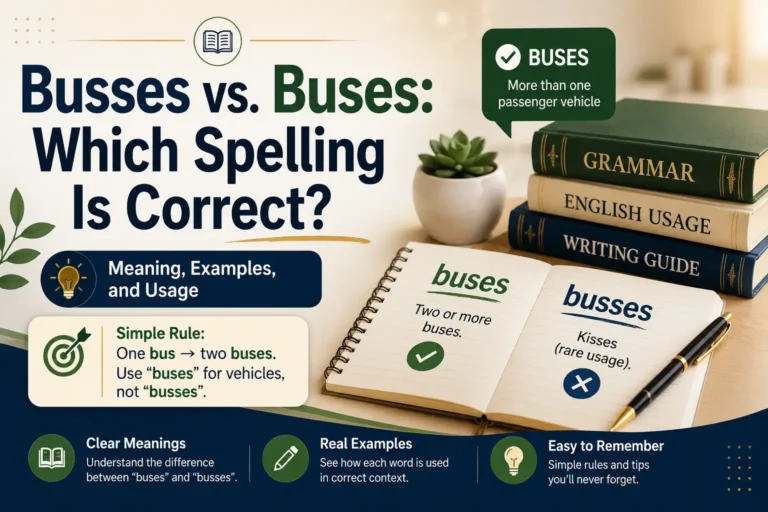
Busses vs. Buses: Which Spelling Is Correct? Meaning, Examples, and Usage

Busses vs. Buses: Which spelling is correct? Learn the difference between buses and busses with simple examples and grammar rules.

If you’ve ever hesitated between busses vs. buses, the answer is simpler than it may seem. When you mean two or more passenger vehicles, buses is the standard plural of bus in modern American English. For example, “The city added several new buses to its public transportation system.” The spelling busses can also be found … Read more

Gases vs. Gasses: Which Spelling Is Correct?

Gases vs gasses comparison showing gases as a plural noun and gasses as a verb action

Gases vs. gasses is a common spelling question because both words exist, but they usually perform different jobs. Gases is the standard plural of gas, while gasses is commonly used as the third-person singular form of the verb gas. For example, oxygen and nitrogen are gases. However, a machine gasses a sealed container when it … Read more