Caddie or Caddy: Which Spelling Is Correct? Meaning, Usage, and Examples
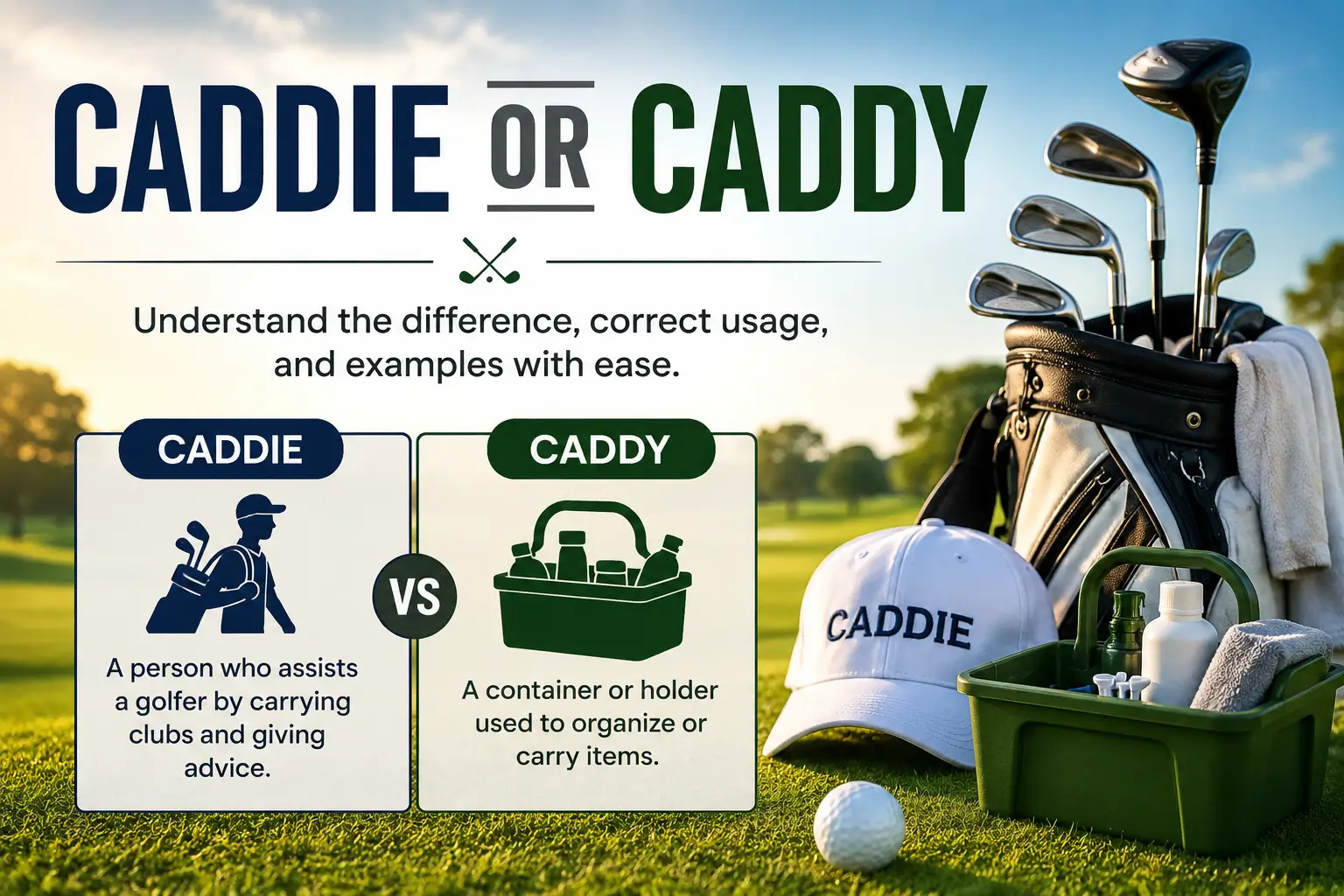
Caddie or caddy spelling and meaning explained for golf and everyday use

Caddie or caddy is a common spelling question, especially when you’re writing about golf. The good news is that both spellings are correct, but they don’t always have the same meaning. Caddie traditionally refers to a person who assists a golfer, while caddy is commonly used for a container or holder. The confusion happens because … Read more
Signalling or Signaling: Which Spelling Is Correct in American and British English?

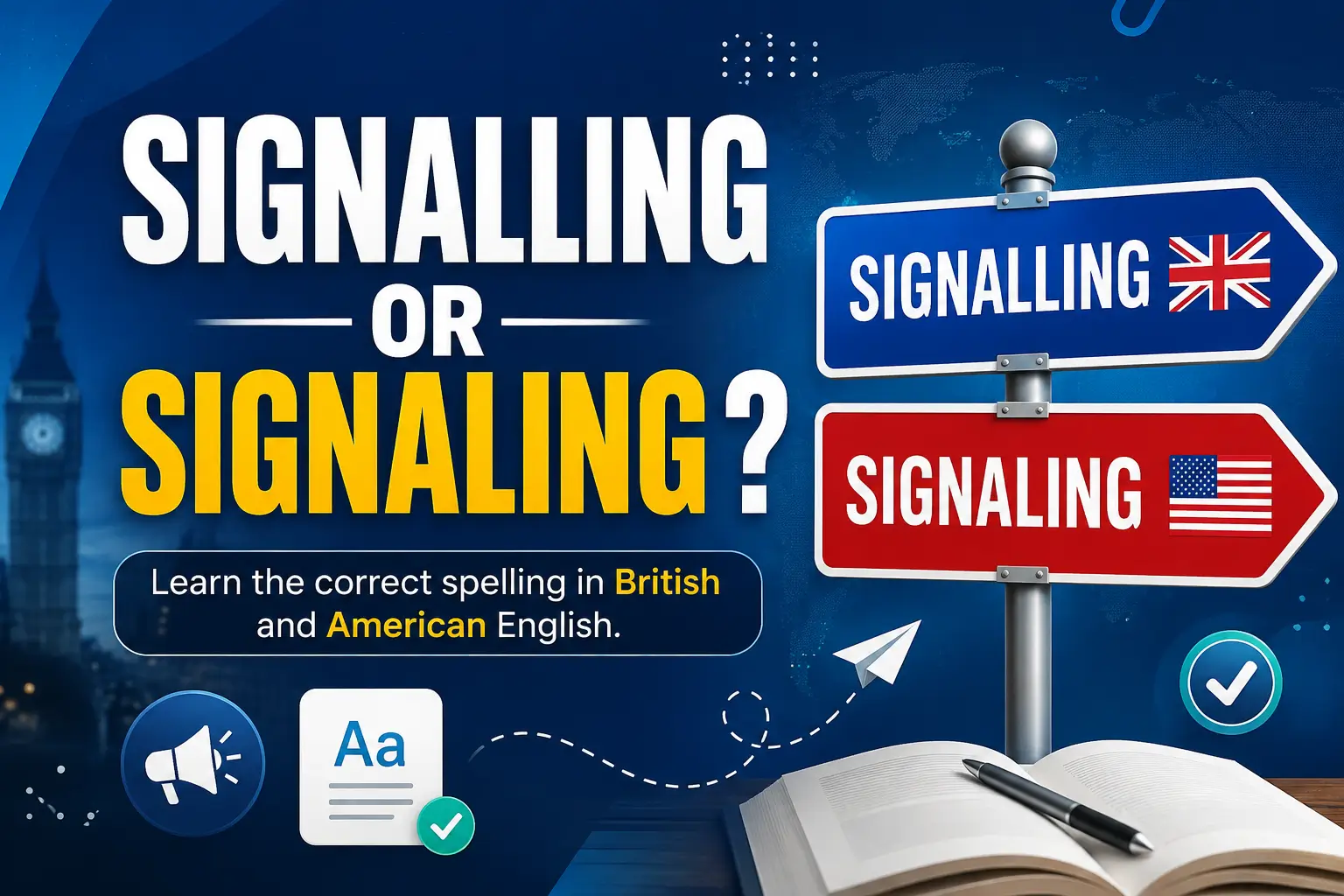
Signalling or signaling spelling difference in British and American English

Signalling or signaling is a spelling difference between British and American English. Signalling is the standard British English form, while signaling is the standard American English form. Both words have the same meaning, pronunciation, and grammatical function. If you’re writing for a US audience, choose signaling. For a UK audience, use signalling. The difference is … Read more

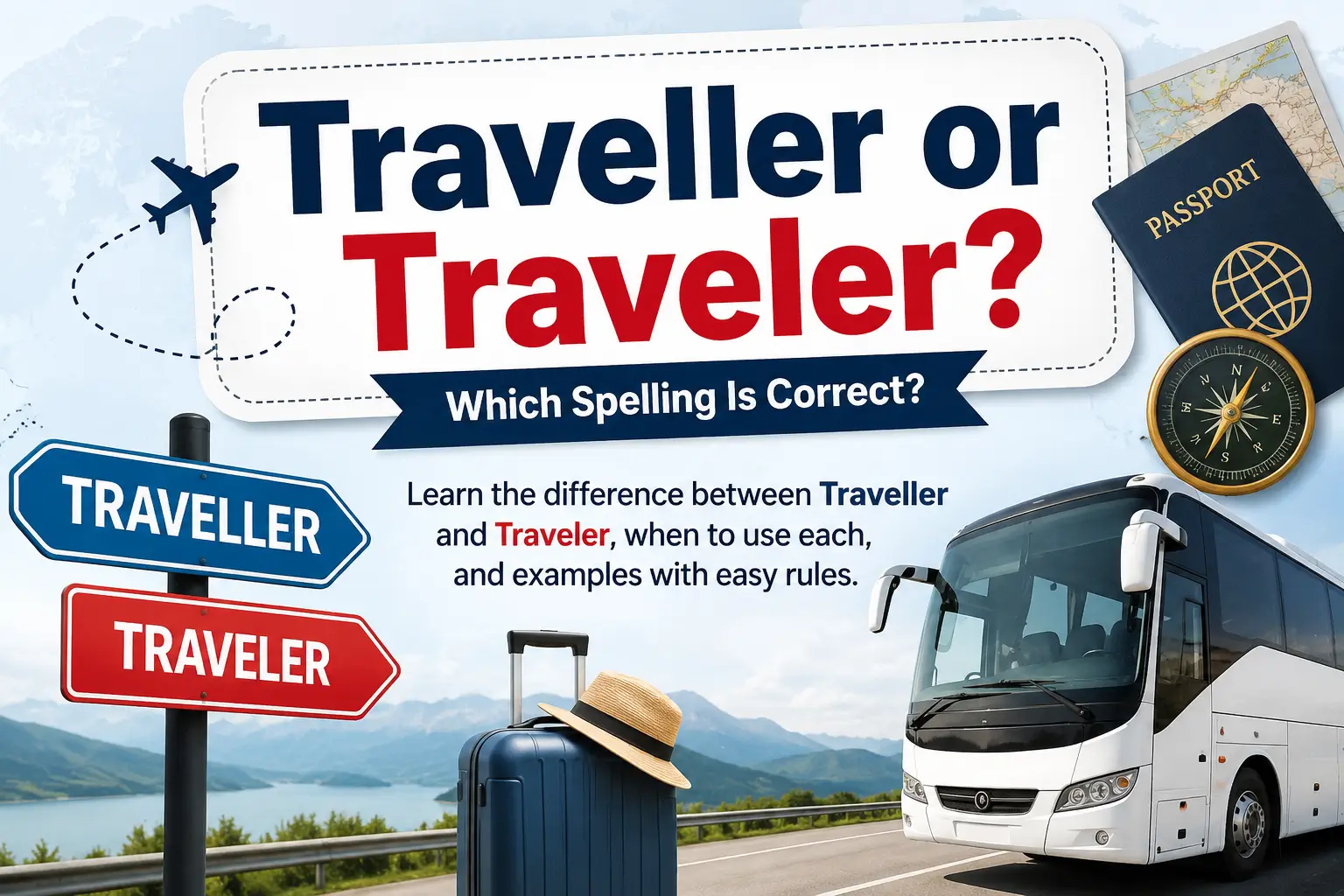
Traveler or Traveller: Which Spelling Is Correct in American English?

Traveller or traveler spelling difference in American and British English

Traveler or traveller is a common English spelling question, but the answer is simple: traveler is the standard American English spelling, while traveller is the standard British English form. Both words have the same meaning, so the real issue is regional spelling, not grammar or vocabulary. The difference comes down to one letter. American English … Read more

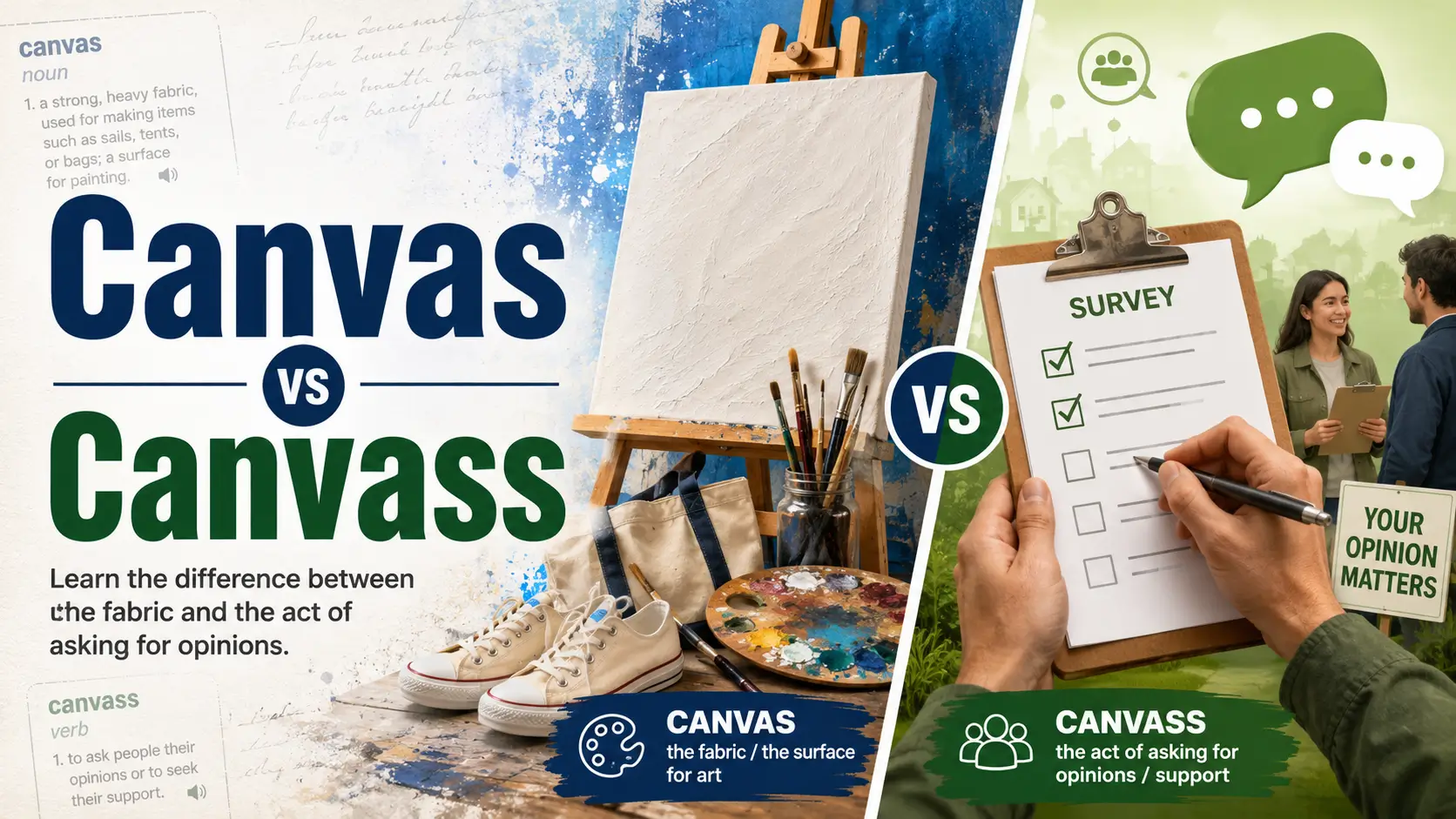
Canvas vs Canvass: What Is the Difference and How Do You Use Them Correctly?

Canvas vs Canvass comparison showing the difference in meaning and correct English usage

Canvas vs Canvass is a common spelling and vocabulary confusion because both words look similar and sound similar, yet their meanings and uses are completely different. Canvas usually refers to a strong fabric or material used for paintings, bags, shoes, and other products. For example, an artist may paint on a canvas, while a company … Read more

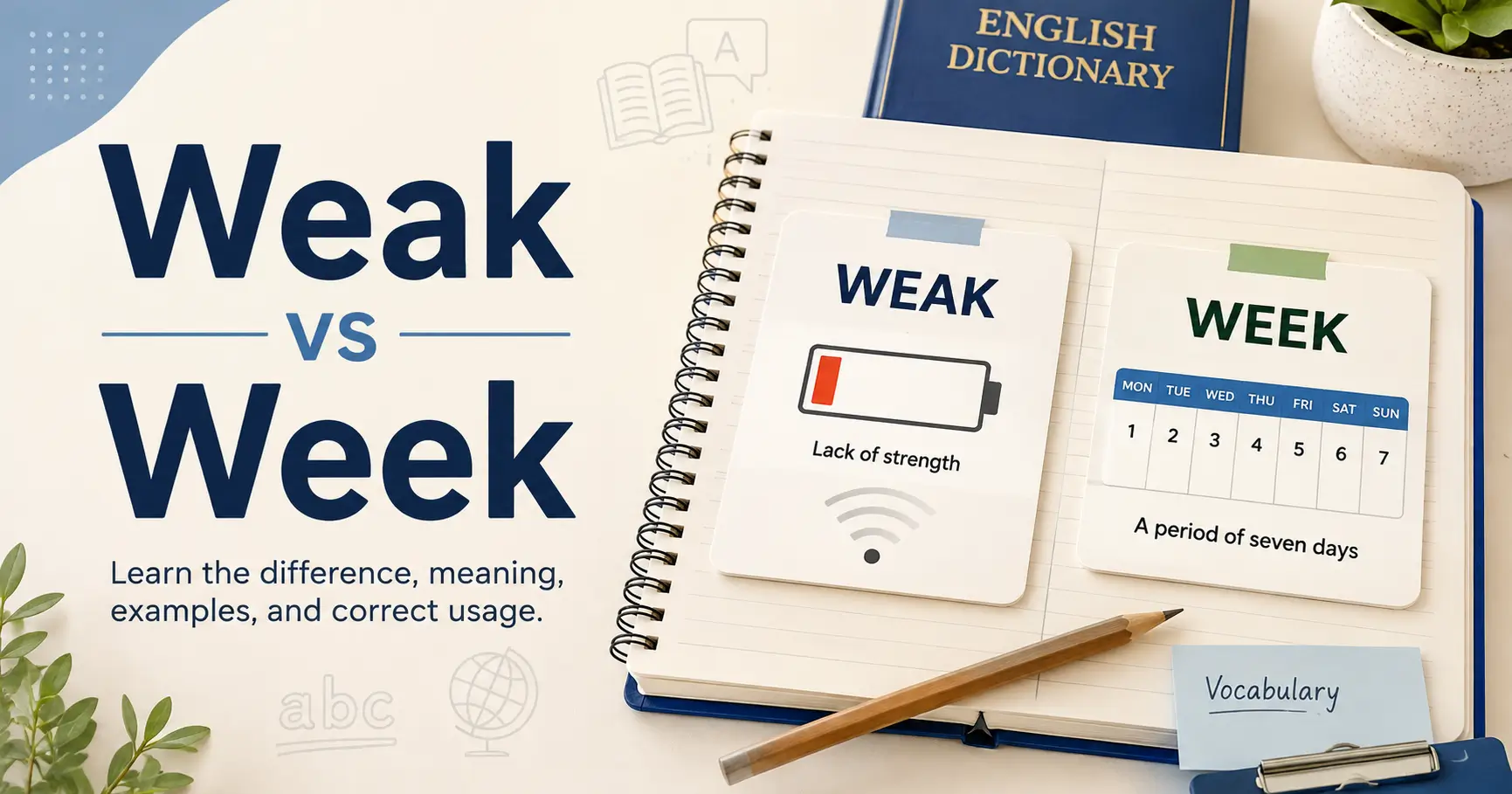
Weak vs Week: Difference, Meaning, Examples, and How to Use Them Correctly

Weak vs week comparison showing the difference between lack of strength and a seven-day period with simple English examples

Confused about weak vs week? Learn the simple difference between these words, their meanings, and how to use them correctly in daily English. Many English learners struggle with weak vs week because both words sound the same, but they have different meanings. Weak describes a lack of strength, power, or ability, while week refers to … Read more

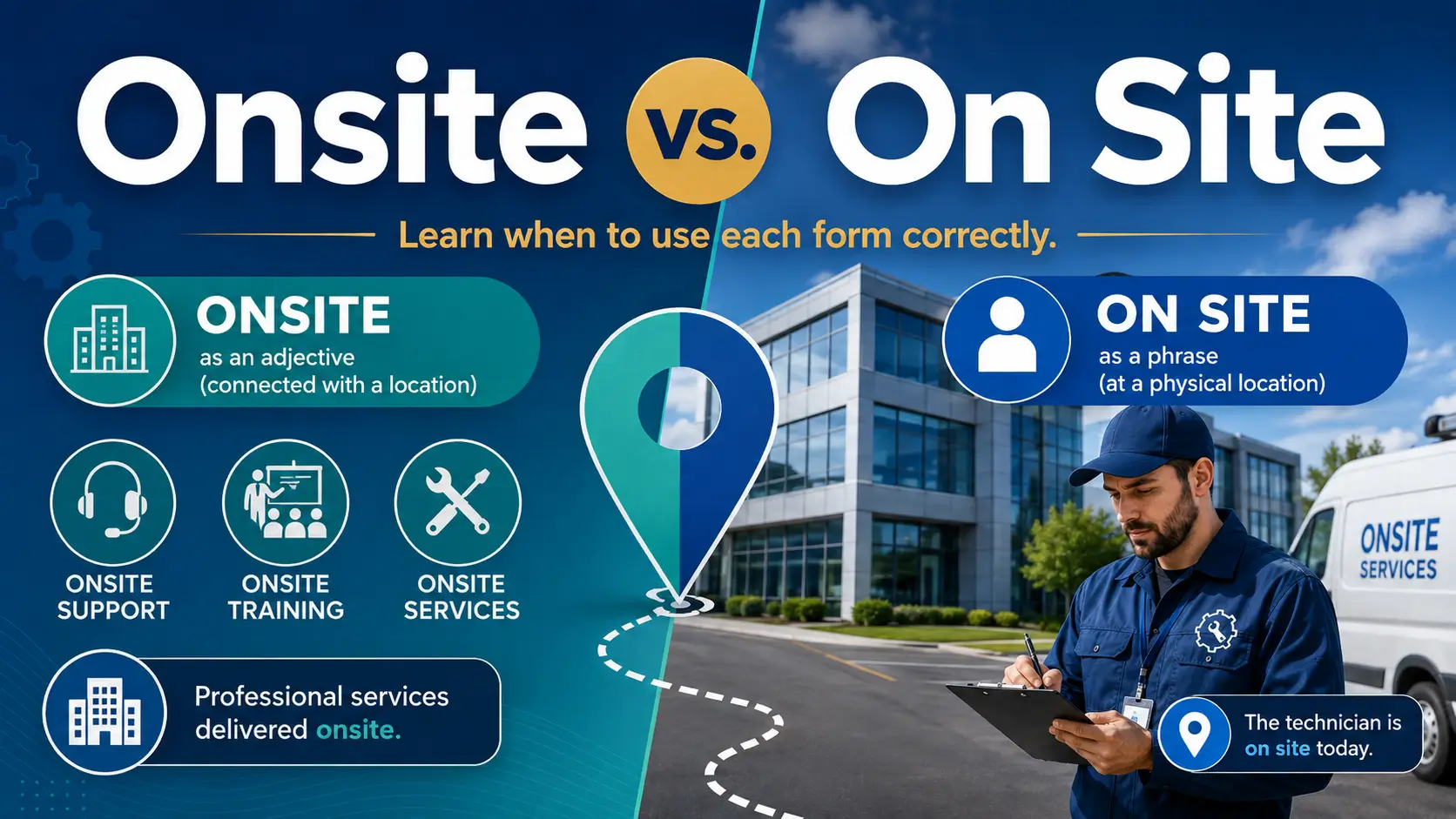
Onsite vs On Site: What’s the Difference and Which One Is Correct?

Onsite vs on site difference with meaning and examples

Understanding onsite vs on site becomes easier when you focus on meaning, grammar, and context. Onsite is often used as a compound adjective before a noun, such as onsite support or onsite training. On site is commonly used to show a location, as in “The technician is on site.” In American English, both forms appear … Read more

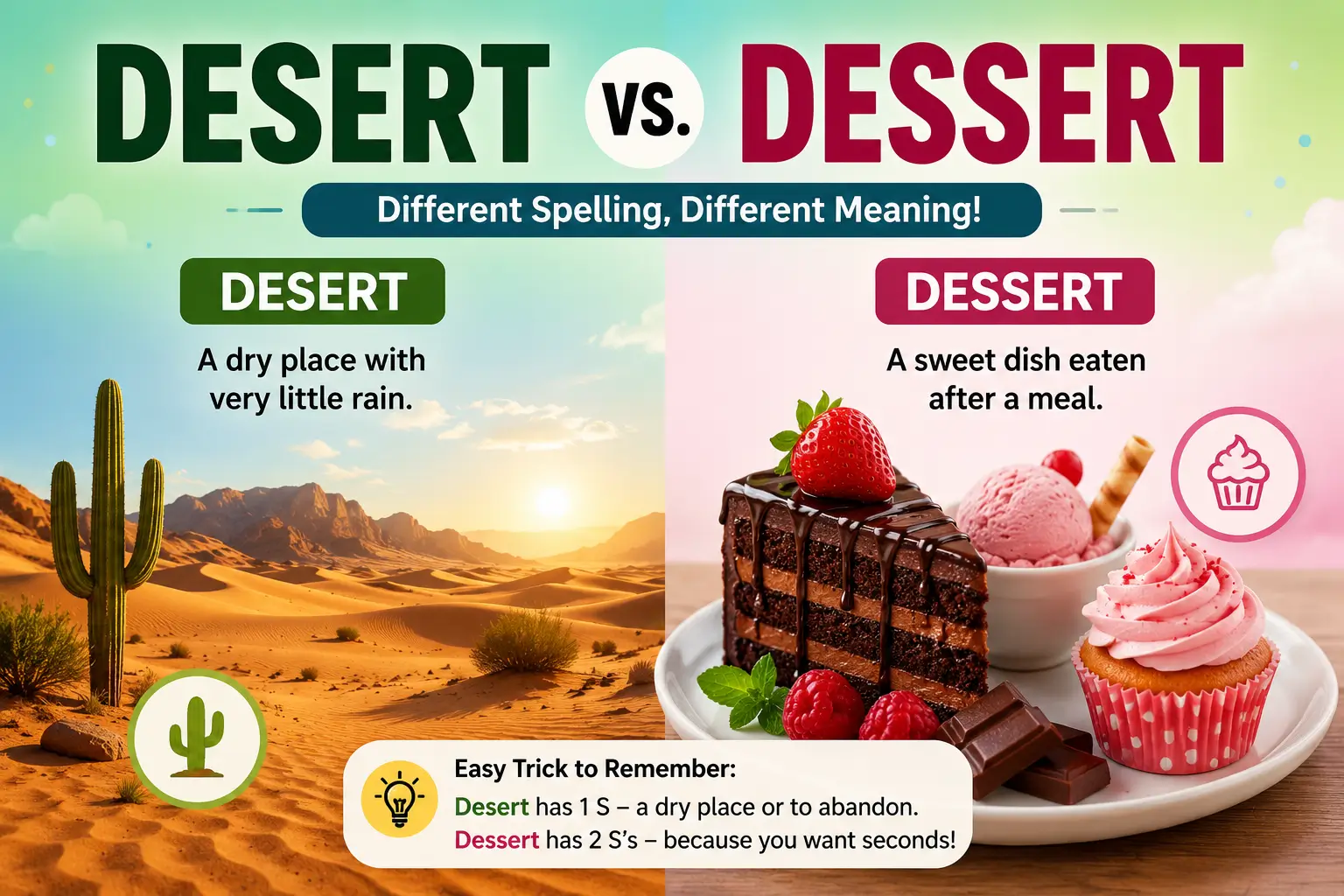
Desert vs. Dessert: What’s the Difference? Meaning, Pronunciation, Examples, and Memory Tips

Desert vs. Dessert difference with a dry desert and sweet desserts

If you’re confused about desert vs. dessert, you’re not alone. These two words look almost identical, and in some uses, they sound exactly the same. However, their meanings are completely different. Desert can mean a dry geographical region or, as a verb, to abandon someone or something. Dessert is a sweet food served after a … Read more

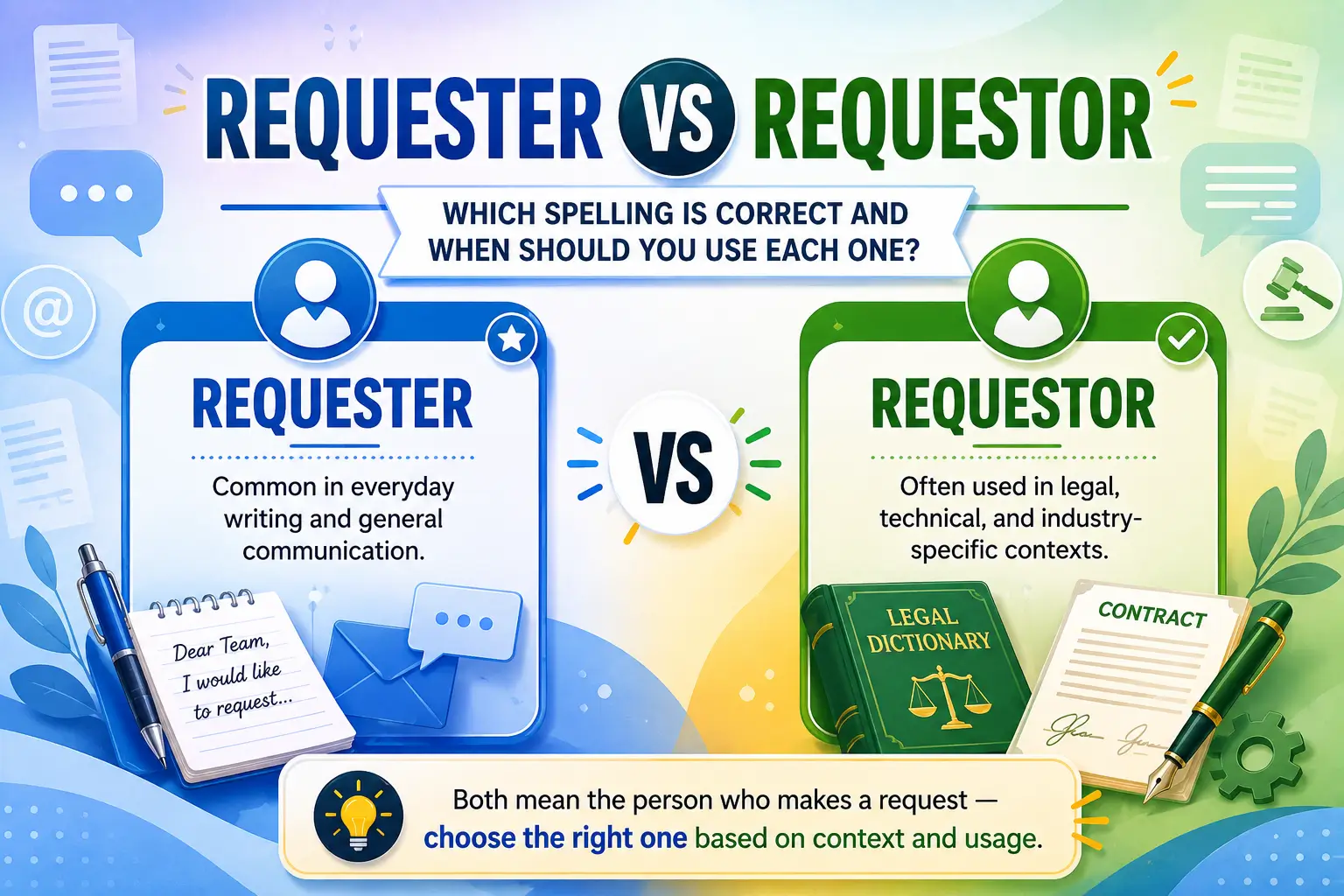
Requester vs Requestor: Which Spelling Is Correct and When Should You Use Each One?

Requester vs Requestor spelling difference explained with correct English usage examples

The difference between Requester and Requestor is mainly based on context, language usage, and industry standards rather than meaning. Both words describe a person who makes a request, but requester is more widely used in everyday communication, business writing, and general professional communication. In contrast, requestor appears more often in specialized environments such as IT, … Read more

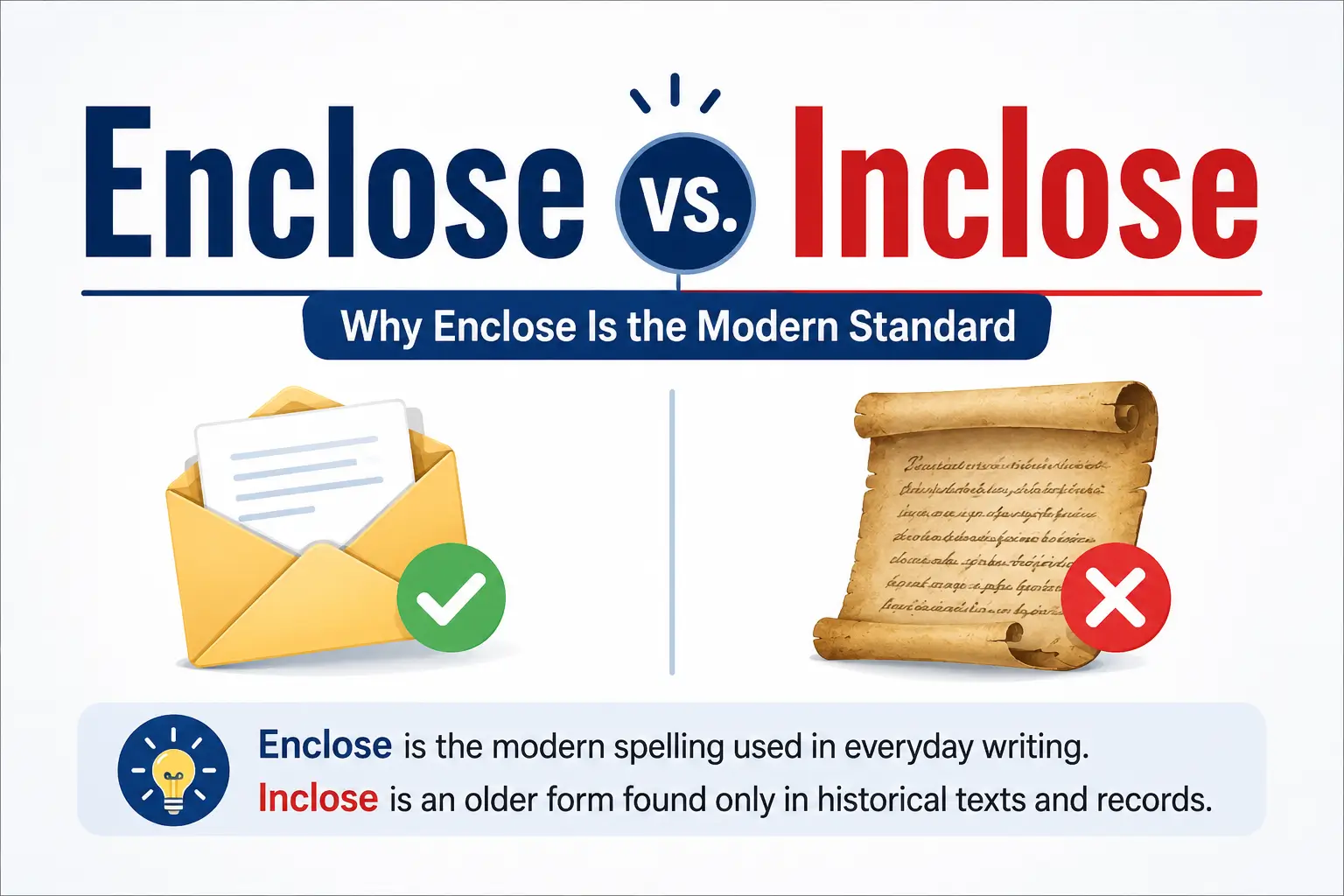
Enclose vs. Inclose: Why Enclose Is the Modern Standard

Enclose vs Inclose explained with the correct spelling, grammar rules, historical usage, and simple examples.

The enclose vs. inclose choice is simple: enclose is the modern spelling, while inclose survives mainly in older historical records and texts. Both words once meant to surround, shut in, or place something inside a container, boundary, or envelope. Today, enclose is the accepted verb in modern English. Its related forms are enclosed, enclosing, and … Read more