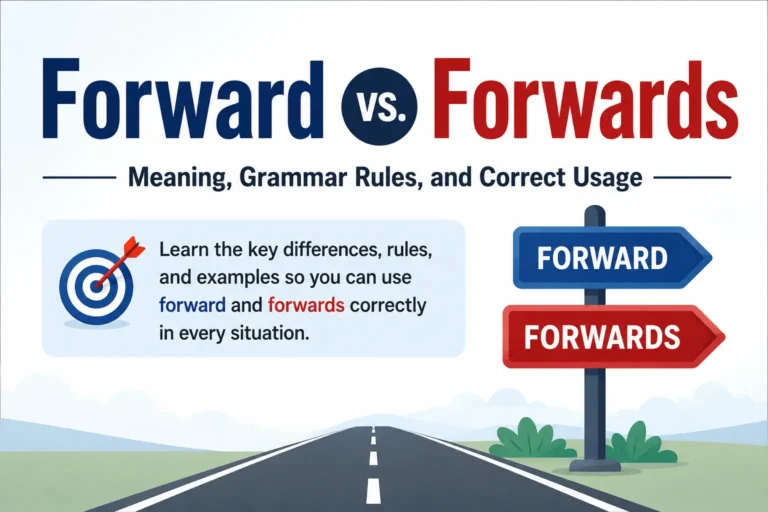
Signalling or Signaling: Which Spelling Is Correct in American and British English?

Signalling or signaling spelling difference in British and American English

Signalling or signaling is a spelling difference between British and American English. Signalling is the standard British English form, while signaling is the standard American English form. Both words have the same meaning, pronunciation, and grammatical function. If you’re writing for a US audience, choose signaling. For a UK audience, use signalling. The difference is … Read more

Traveler or Traveller: Which Spelling Is Correct in American English?

Traveller or traveler spelling difference in American and British English

Traveler or traveller is a common English spelling question, but the answer is simple: traveler is the standard American English spelling, while traveller is the standard British English form. Both words have the same meaning, so the real issue is regional spelling, not grammar or vocabulary. The difference comes down to one letter. American English … Read more

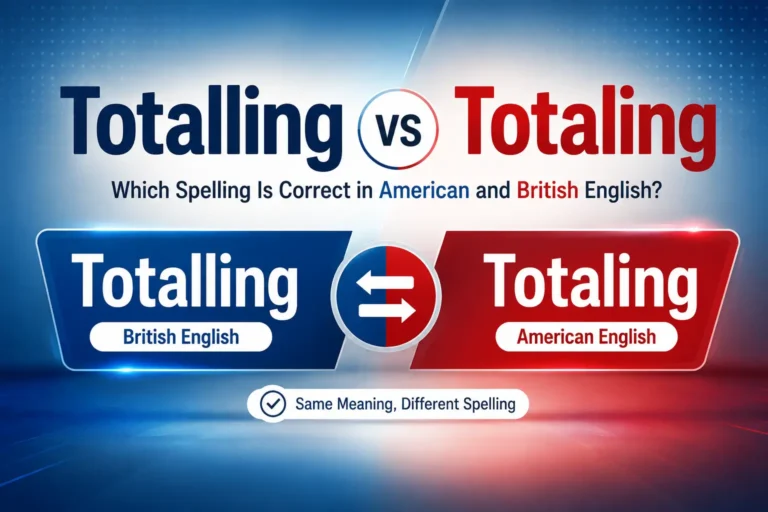
Totalling vs Totaling: Which Spelling Is Correct in American and British English?

Totalling vs totaling difference in British and American English

When writing about totalling vs totaling, many English writers face spelling confusion because English spelling rules change between regions. Both forms are correct spelling choices, but American English usually uses totaling with one L, while British English prefers totalling with two Ls. The meaning stays the same: both describe adding numbers to find a complete … Read more

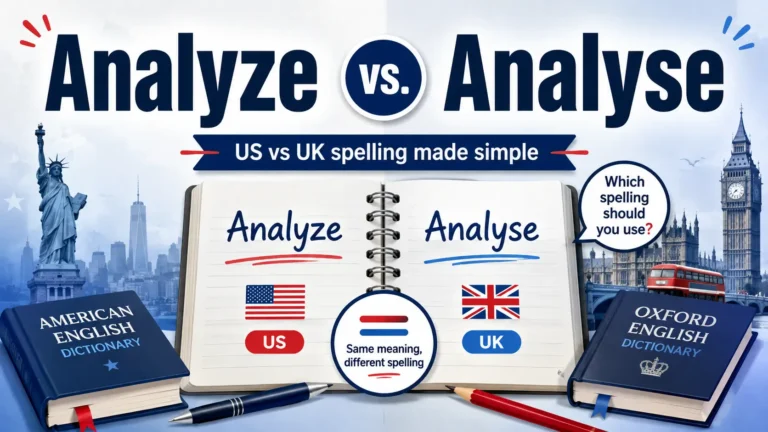
Analyze vs Analyse: Which Spelling Is Correct in American and British English?

Analyze vs Analyse US vs UK spelling difference

Analyze vs. analyse can be confusing because both spellings have the same meaning and pronunciation. The main difference is regional spelling: analyze is the standard form in American English, while analyse is commonly used in British English. If you’re writing for a US audience, use analyze. For example, you might write, “Students analyze the evidence … Read more

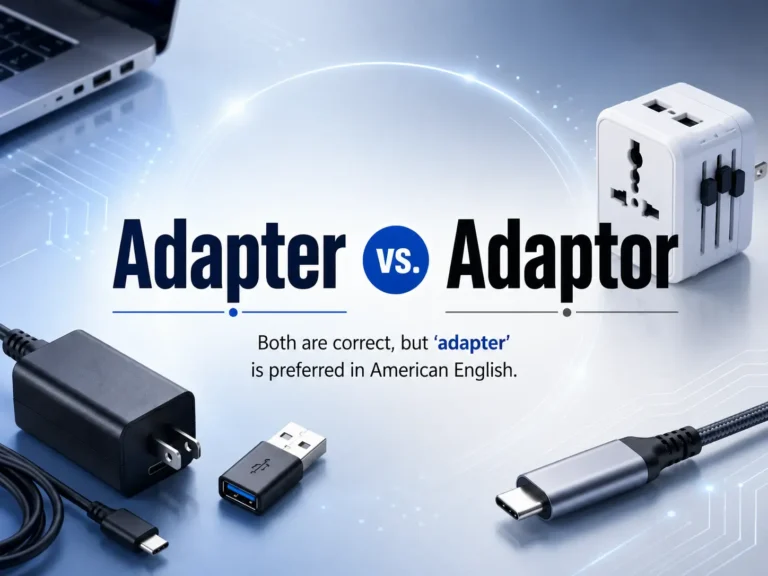
Adapter vs. Adaptor: Which Spelling Is Correct in American English?

Adapter vs adaptor comparison with power, USB, travel and USB-C adapters explaining the preferred American English spelling.

Adapter vs adaptor is a spelling question with a simple answer: both forms are correct, but adapter is the preferred spelling in American English. The two words have the same meaning and usually refer to a person, device, or system that helps something adjust, connect, or work in a new way. You’ll often see adapter … Read more

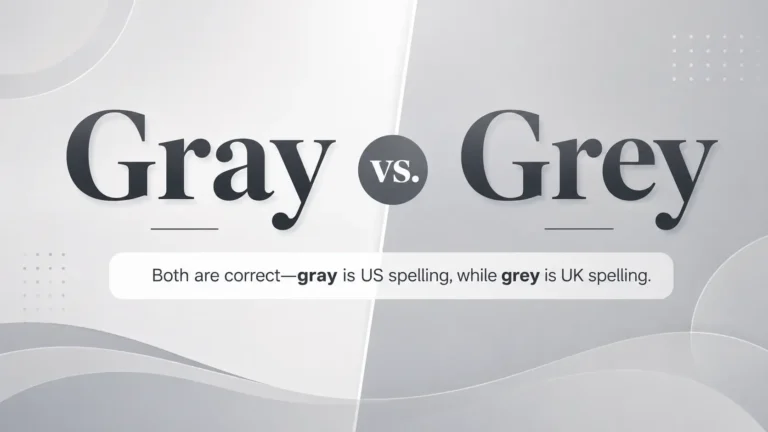
Gray vs. Grey: What’s the Difference and Which Spelling Is Correct?

Gray vs grey comparison showing gray as US spelling and grey as UK spelling

Gray vs. Grey is a common spelling question, but the answer is simple. Both words describe the same color between black and white. However, gray is the preferred spelling in American English, while grey is more common in British English, Canada, and several other English-speaking regions. Neither form is wrong, but the best choice depends … Read more

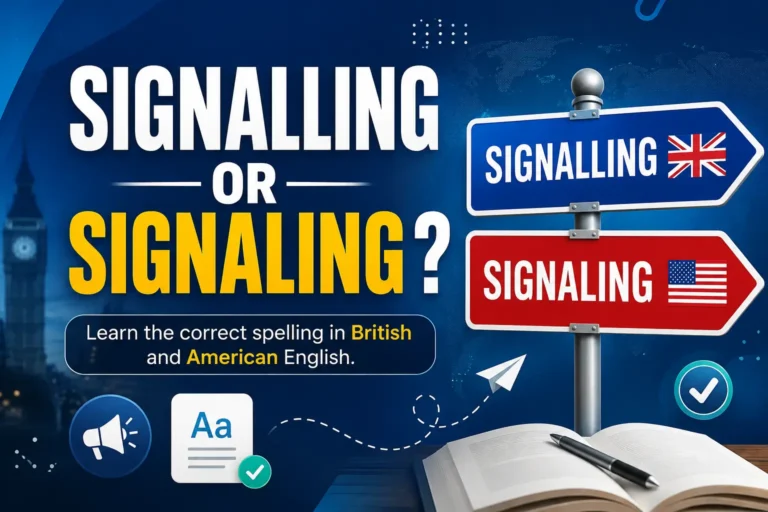
Forward vs. Forwards: Meaning, Grammar Rules, and Correct Usage

Forward vs Forwards explained with grammar rules, American vs British English differences, and simple examples.

The difference between forward vs. forwards can seem confusing because both words may describe movement toward the front. However, they are not always interchangeable. Forward has several grammatical roles, while forwards has fewer uses. In American English, writers usually prefer forward as the directional adverb. Meanwhile, British English accepts both forward and forwards, especially when … Read more

Will vs Shall: Difference, Grammar Rules, Uses, and Examples

Will vs Shall grammar rules, differences, and examples explained

Learning will vs shall becomes easier when you know how these modal verbs work in English. Both are helping verbs used to express future time, but they can also show possibility, permission, or obligation. Will is more common in daily English, while shall is often used in formal situations or special expressions. Unlike regular verbs, … Read more